
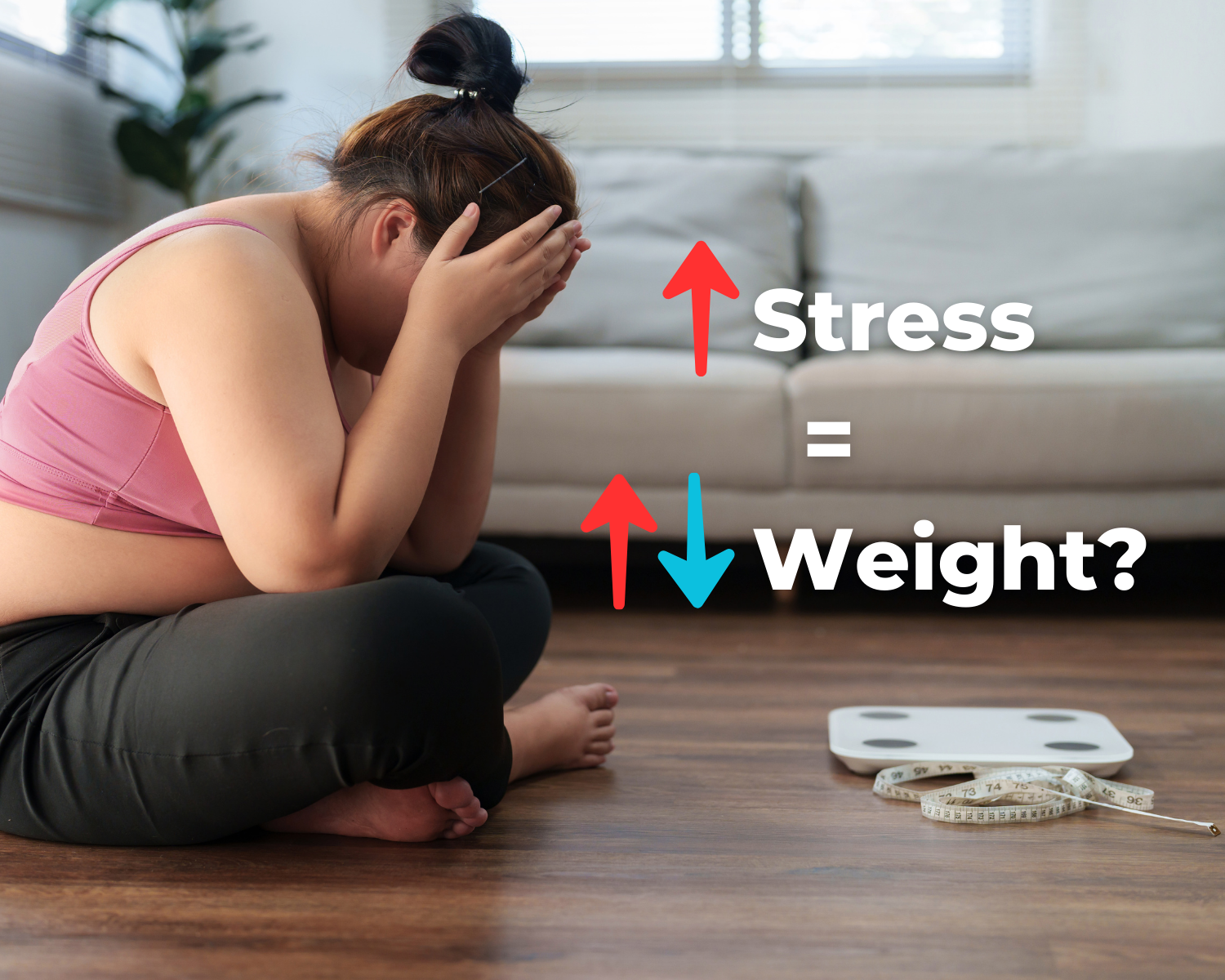
Is there anything more baffling than trying to figure out why your weight keeps fluctuating? Stress – it’s that relentless companion we all wish we could shake off.
Whether it’s work pressures, family responsibilities, or just the chaos of daily life, stress finds a way to creep into our lives and wreak havoc.
But did you know that stress can also mess with your weight? That’s right, stress and weight are more interconnected than you might think
So, how exactly does stress mess with your weight, and what can you do about it? Let’s dive in and unravel this tangled web of stress and weight.
Can Stress Affect Your Weight?
You’ve probably heard that stress can wreak havoc on your body, but did you know it can significantly affect your weight? Yep, it’s true.
Stress can be a major player in both weight gain and weight loss. When you’re stressed, your body goes into a state of alert, and this can have a myriad of effects on your metabolism, appetite, and overall energy levels.
The Hormone Havoc
One of the primary ways stress affects your weight is through hormones. When you’re stressed, your body releases cortisol, also known as the stress hormone. Cortisol plays a big role in your fight-or-flight response, but it also impacts how your body stores fat and uses energy. High levels of cortisol can lead to increased appetite and cravings for sugary or fatty foods, which, you guessed it, can cause weight gain.
Stress and Your Appetite
Ever notice that when you’re stressed, you either can’t stop eating or forget to eat entirely? Stress affects your appetite in different ways, depending on your body and mind’s response. Some people turn to food for comfort, while others lose their appetite altogether. This varying response is another reason why stress can cause weight fluctuations.
How Stress Causes Weight Gain

Alright, let’s talk about the frustrating side of stress-induced weight gain. It’s like your body decides to stock up for a long winter, even if you’re not exactly planning on hibernating. Here’s how it happens:
Emotional Eating
When stressed, many people turn to food as a source of comfort—ever heard of stress eating? This is when you find solace in a tub of ice cream or a bag of chips. Emotional eating is a common response to stress, and unfortunately, it often involves high-calorie, sugary, and fatty foods that can lead to weight gain.
Cortisol and Fat Storage
Remember that pesky cortisol hormone? High cortisol levels can lead your body to store more fat, particularly around the abdominal area. This is because cortisol promotes the storage of fat as a quick energy source. So, even if you’re not eating more than usual, high stress levels can still result in weight gain.
Reduced Physical Activity
When you’re stressed, finding the motivation to exercise can be challenging. Stress can drain your energy and make you feel too exhausted to work out. Over time, this reduction in physical activity can contribute to weight gain, as you burn fewer calories.
Disrupted Sleep Patterns
Stress can also wreak havoc on your sleep, leading to insomnia or poor-quality sleep. Lack of sleep can affect your metabolism and appetite, often leading to increased hunger and cravings for unhealthy foods. This can further contribute to weight gain, creating a vicious cycle of stress, poor sleep, and unhealthy eating habits.
Insulin Resistance
Chronic stress can lead to insulin resistance, a condition where your body’s cells become less responsive to insulin, causing higher blood sugar levels. Insulin resistance is often linked to weight gain and can increase the risk of developing type 2 diabetes. Managing stress is crucial in maintaining proper insulin function and preventing unwanted weight gain.
How Stress Causes Weight Loss
On the flip side, stress can also lead to weight loss, which can be just as concerning as weight gain. If you’ve noticed the pounds slipping away when you’re under pressure, here’s why:
Loss of Appetite
One of the most common ways stress leads to weight loss is through a decreased appetite. When you’re stressed, your body’s fight-or-flight response kicks in, diverting energy away from non-essential functions like digestion. This can result in a lack of hunger, causing you to eat less and lose weight.
Increased Metabolism
For some people, stress can speed up their metabolism. The adrenaline and other stress hormones released can increase your heart rate and energy expenditure, leading to weight loss. While this might sound like a dream for some, it’s not a healthy or sustainable way to lose weight.
Muscle Tension and Restlessness
Stress can cause muscle tension and restlessness, making you move around more than usual. This constant movement, whether it’s pacing or fidgeting, can burn additional calories and contribute to weight loss.
Digestive Issues
Stress can negatively impact your digestive system, leading to issues like nausea, diarrhea, or a sensitive stomach. These digestive problems can decrease your appetite and cause you to lose weight. It’s essential to address stress to maintain a healthy digestive system and prevent unwanted weight loss.
Unhealthy Coping Mechanisms
Some people turn to unhealthy coping mechanisms like smoking or excessive caffeine consumption when stressed. These habits can suppress appetite and lead to weight loss. It’s important to find healthier ways to cope with stress to avoid these negative effects on your weight and overall health.
How to Deal with Stress-Related Weight Gain
If stress is tipping the scales in the wrong direction, there are ways to combat it and regain control of your weight. Here are some strategies to help manage stress-related weight gain:
Mindful Eating
Practicing mindful eating can help you become more aware of your hunger and fullness cues, reducing the likelihood of emotional eating. Pay attention to what you’re eating, savor each bite, and avoid distractions like TV or smartphones during meals.
Regular Exercise
Incorporating regular exercise into your routine can help counteract the effects of stress. Exercise not only burns calories but also reduces stress levels by releasing endorphins, which are natural mood boosters. Aim for at least 30 minutes of moderate exercise most days of the week.
V Slim by V Aesthetics
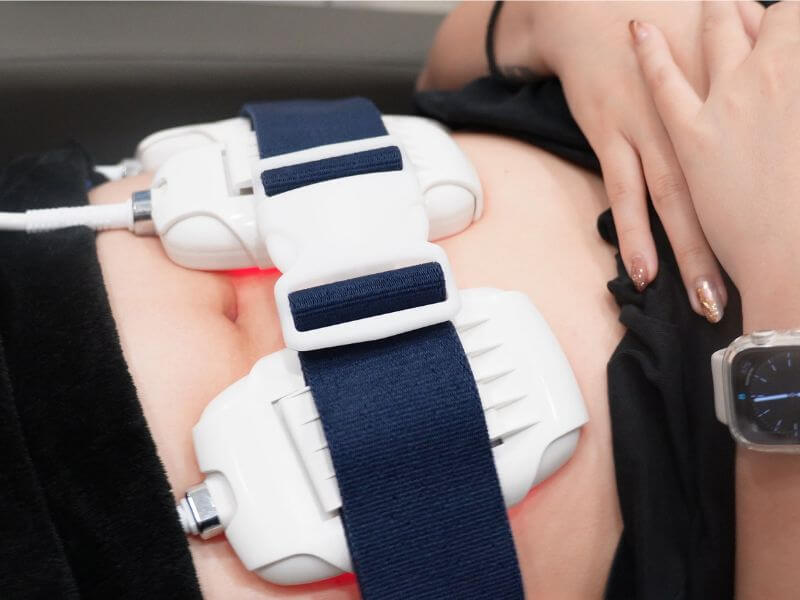
If you’re looking for a non-invasive way to address stress-related weight gain, consider V Slim by V Aesthetics. This treatment uses advanced technology to target and reduce stubborn fat areas. V Slim can help contour your body without surgery, providing a convenient and effective solution for managing stress-related weight gain.
Healthy Diet
Eating a balanced diet rich in fruits, vegetables, lean proteins, and whole grains can help manage your weight. Avoid turning to junk food for comfort, and instead opt for nutritious options that support your overall health.
Stress Management Techniques
Finding ways to manage stress is crucial for preventing weight gain. Techniques such as yoga, meditation, deep breathing exercises, and hobbies you enjoy can help reduce stress levels and improve your overall well-being.
Adequate Sleep
Ensure you get enough quality sleep each night. Aim for 7-9 hours of sleep to help regulate your metabolism and appetite. Establishing a regular sleep routine and creating a relaxing bedtime environment can improve sleep quality and help manage stress.
Hydration
Staying hydrated is essential for maintaining a healthy metabolism. Drinking plenty of water can help control hunger and support overall health. Sometimes, thirst can be mistaken for hunger, leading to unnecessary snacking.
How to Deal with Stress-Related Weight Loss
If stress is causing you to lose weight, it’s important to address the issue to ensure you’re maintaining a healthy body weight. Here are some tips to help manage stress-related weight loss:
Balanced Meals
Make sure you’re eating balanced meals that provide all the essential nutrients your body needs. Include a mix of protein, carbohydrates, and healthy fats in your diet to support weight maintenance and overall health.
Regular Eating Schedule
Stick to a regular eating schedule, even if you don’t feel hungry. Eating small, frequent meals throughout the day can help ensure you’re getting enough calories and nutrients to sustain your weight.
Nutrient-Rich Snacks
Keep nutrient-rich snacks on hand to munch on throughout the day. Nuts, yogurt, fruits, and whole-grain crackers are great options that provide energy and essential nutrients.
Relaxation Techniques
Incorporating relaxation techniques into your daily routine can help manage stress levels and improve your appetite. Activities like reading, listening to music, or spending time with loved ones can help you relax and reduce stress.
Professional Help
If stress-related weight loss becomes severe, consider seeking professional help. A healthcare provider or therapist can offer guidance and support to help you manage stress and maintain a healthy weight.
Physical Activity
Engage in physical activities that you enjoy and that promote relaxation, such as yoga, swimming, or walking. Regular physical activity can help reduce stress and improve your overall well-being.
Support System
Surround yourself with supportive friends and family who can offer encouragement and understanding. Talking to someone about your stress can help alleviate its impact on your weight and overall health.
Supplements
Consider taking dietary supplements if recommended by a healthcare provider. Supplements like protein powders, vitamins, and minerals can help ensure you’re getting the necessary nutrients to maintain a healthy weight.
Conclusion
Stress is an inevitable part of life, but its impact on your weight doesn’t have to be. Understanding how stress affects your body and implementing strategies to manage it can help you maintain a healthy weight. Whether you’re dealing with weight gain or weight loss, finding effective ways to reduce stress is key.
From mindful eating and regular exercise to innovative treatments like V Slim, there are plenty of options to explore. Remember, taking care of your mental and physical health is a journey, so be patient with yourself and find what works best for you.