

You’re doing your best to eat well, stay active, and maintain a healthy lifestyle, but the scale just keeps inching upwards. Could hypothyroidism be the culprit behind those stubborn pounds that refuse to budge? Well, buckle up, because in this article, we’re diving deep into the relationship between hypothyroidism and weight gain.
From understanding how an underactive thyroid can affect your metabolism to exploring strategies for managing your weight while living with this condition, we’re here to shed light on this often-misunderstood topic.
So, if you’ve ever wondered whether your thyroid might be playing a role in your weight struggles, you’re in the right place. Let’s unravel the mystery together and empower you to take control of your health and wellness.
What is Hypothyroidism?
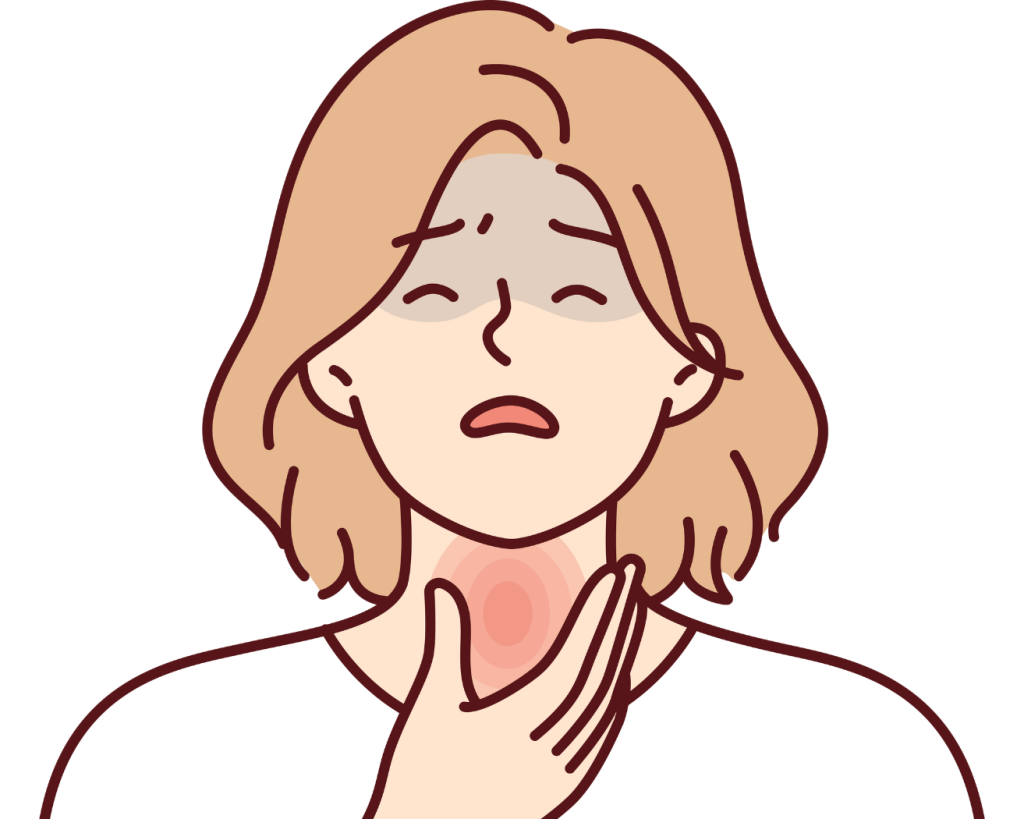
Imagine your thyroid gland as the conductor of your body’s metabolic orchestra, regulating everything from energy levels to temperature control. Now, imagine it’s not quite hitting the right notes. That’s hypothyroidism—an under active thyroid gland that doesn’t produce enough thyroid hormones to keep your body humming along smoothly.
This hormonal hiccup can throw a wrench into your metabolism, leaving you feeling sluggish, gaining weight, and grappling with a myriad of other symptoms that can disrupt your daily life. It’s like your body’s internal thermostat has been dialed down a few notches, and you’re left shivering in the cold, both figuratively and literally.
But fear not, because with the right knowledge and support, you can tune up your thyroid and get back to feeling like yourself again.
How do you know if you have hypothyroidism?
Recognising hypothyroidism can feel like deciphering a cryptic puzzle, but there are some clues that can point you in the right direction. Picture this: you’re feeling perpetually fatigued, no matter how many hours of shut-eye you log. Your once luscious locks are now thinning, and your skin feels dryer than the Sahara. But it’s not just your physical appearance that’s taking a hit—your mood seems to be on a rollercoaster ride, swinging from irritable to downright blue.
And let’s not forget about the uninvited guests crashing the party—unexpected weight gain, despite your best efforts to maintain a healthy lifestyle.
These symptoms, along with others like constipation, muscle weakness, and irregular menstrual cycles, could be red flags signalling an under active thyroid gland. It’s like your body is sending out distress signals, begging for attention and intervention.
So, if you find yourself nodding along to this laundry list of symptoms, it may not be hypothyroidism, there may be other issues or even none, but it might be time to have a chat with your healthcare provider and get to the bottom of what’s going on beneath the surface.
Causes of Hypothyroidism
Autoimmune Thyroiditis (Hashimoto’s thyroiditis)
This condition occurs when the body’s immune system mistakenly attacks the thyroid gland, leading to inflammation and eventual damage, resulting in hypothyroidism.
Iodine Deficiency
Insufficient intake of iodine, a crucial mineral needed for thyroid hormone production, can lead to hypothyroidism, especially in regions where iodine levels in the soil and water are low.
Thyroid Surgery or Radiation Therapy
Surgical removal of part or all of the thyroid gland, or radiation therapy to the neck area, can disrupt thyroid hormone production and result in hypothyroidism.
Medications
Certain medications, such as lithium, amiodarone, and some anti-thyroid drugs, can interfere with thyroid function and contribute to hypothyroidism.Congenital Hypothyroidism: Some infants are born with an underactive thyroid gland due to genetic defects or abnormal development, resulting in congenital hypothyroidism.
Pituitary or Hypothalamic Disorders
Dysfunction or damage to the pituitary gland or hypothalamus, which regulate thyroid hormone production, can disrupt thyroid function and lead to hypothyroidism.Aging: As individuals age, the risk of developing hypothyroidism increases due to natural changes in thyroid function and hormone production.
Pregnancy
Some women may develop hypothyroidism during or after pregnancy, known as postpartum thyroiditis, due to hormonal changes and immune system alterations.
Certain Health Conditions
Conditions such as celiac disease, Addison’s disease, and certain autoimmune disorders may increase the risk of developing hypothyroidism
Environmental Factors
Exposure to environmental toxins, pollutants, and certain chemicals may impact thyroid function and contribute to hypothyroidism, although the exact mechanisms are not fully understood.
How does hypothyrodism cause weight gain
your body is like a finely tuned machine, with every part working in harmony to keep you running smoothly. But what happens when one of those crucial components, your thyroid gland, decides to take a little snooze? Enter hypothyroidism, the sleepy culprit behind a host of frustrating symptoms, including weight gain.
Here’s the scoop: when your thyroid gland goes on strike and starts slacking on the job, it means trouble for your metabolism. See, thyroid hormones like thyroxine (T4) and triiodothyronine (T3) are the engines that drive your metabolic rate, the speed at which your body burns calories. But when these hormones are in short supply, your metabolic engine sputters to a halt, leaving you feeling sluggish and prone to packing on the pounds.
But wait, there’s more: hypothyroidism isn’t just about a sluggish metabolism—it’s also about messing with your hunger hormones. Picture this: your body’s hunger signals are like a finely tuned orchestra, with hormones like leptin and ghrelin playing the lead roles. But when hypothyroidism enters the scene, it’s like someone messing with the conductor’s baton, throwing off the entire symphony. Suddenly, you find yourself feeling ravenous all the time, with cravings that just won’t quit.
And let’s not forget about the waterworks: hypothyroidism can also cause fluid retention and bloating, making you feel like a puffy marshmallow. So, while it may seem like just a few extra pounds on the scale, the truth is, hypothyroidism can wreak havoc on your body’s delicate balance, making weight management a real uphill battle.
How to lose weight from hypothyroidism
Medication Management
The first step in managing weight with hypothyroidism is ensuring that you’re receiving appropriate thyroid hormone replacement therapy prescribed by your healthcare provider. This medication helps to replenish the thyroid hormones that your body is lacking, thereby improving metabolic function and energy levels.
Balanced Diet
Adopting a balanced and nutritious diet is essential for managing weight with hypothyroidism. Focus on incorporating whole foods rich in nutrients, such as fruits, vegetables, lean proteins, whole grains, and healthy fats. Avoid excessive consumption of processed foods, refined sugars, and unhealthy fats, which can exacerbate weight gain.
Portion Control
Pay attention to portion sizes and practice mindful eating to avoid overeating. Eating smaller, more frequent meals throughout the day can help regulate blood sugar levels and prevent excessive hunger and cravings.
Regular Exercise
Engaging in regular physical activity is crucial for promoting weight loss and overall health, especially with hypothyroidism. Incorporate a combination of aerobic exercises, strength training, and flexibility exercises into your routine to boost metabolism, burn calories, and improve muscle tone.
Stress Management
Chronic stress can negatively impact thyroid function and contribute to weight gain. Practice stress-reducing techniques such as meditation, yoga, deep breathing exercises, or spending time in nature to promote relaxation and balance.
Adequate Sleep
Prioritise getting enough quality sleep each night, as sleep deprivation can disrupt hormone levels and metabolism, leading to weight gain. Aim for 7-9 hours of restful sleep in a cool, dark, and quiet environment.
Hydration
Stay hydrated by drinking plenty of water throughout the day. Proper hydration supports metabolic function, aids digestion, and helps regulate appetite.
V Slim Treatment
Consider incorporating V Slim treatment, an advanced body contouring procedure offered at V Aesthetics Body Slim, into your weight loss regimen. V Slim utilises ultrasound and radio frequency energy to target stubborn fat deposits and tighten the skin, helping to sculpt and tone the body.
By combining V Slim treatment with lifestyle modifications, you can achieve more effective and long-lasting results in managing weight with hypothyroidism.
How to prevent hypothyroidism
Preventing hypothyroidism primarily involves maintaining a healthy lifestyle and addressing any underlying risk factors. Here are some strategies to help prevent hypothyroidism:
Eat a Balanced Diet
Consuming a diet rich in fruits, vegetables, whole grains, lean proteins, and healthy fats can support thyroid health. Avoid excessive consumption of processed foods, refined sugars, and unhealthy fats, which can contribute to thyroid dysfunction.
Monitor Iodine Intake
Iodine is essential for thyroid function, so ensure that your diet contains adequate iodine-rich foods such as seafood, seaweed, dairy products, and iodised salt. However, excessive iodine intake can also disrupt thyroid function, so moderation is key.
Maintain a Healthy Weight
Being overweight or obese can increase the risk of developing hypothyroidism. By adopting healthy eating habits and engaging in regular physical activity, you can manage your weight and reduce your risk of thyroid dysfunction.
Manage Stress
Chronic stress can negatively impact thyroid function and increase the risk of hypothyroidism. Practice stress-reducing techniques such as meditation, yoga, deep breathing exercises, or spending time in nature to promote relaxation and well-being.
Get Regular Exercise
Regular physical activity is important for overall health and can support thyroid function. Aim for at least 30 minutes of moderate-intensity exercise most days of the week, incorporating a mix of aerobic, strength training, and flexibility exercises.
Avoid Smoking
Smoking has been linked to an increased risk of thyroid disorders, including hypothyroidism. If you smoke, consider quitting to reduce your risk of developing thyroid problems.
Limit Environmental Toxins
Exposure to environmental toxins such as pollutants, heavy metals, and endocrine-disrupting chemicals can impact thyroid function. Minimize exposure to these toxins by avoiding smoking, reducing exposure to household chemicals, and consuming organic foods when possible.
Regular Thyroid Screening
If you have a family history of thyroid disorders or other risk factHow to prevent hypothyroidismors, consider regular thyroid screening tests to monitor your thyroid function and detect any abnormalities early on. Consult your healthcare provider for recommendations based on your individual risk factors.