
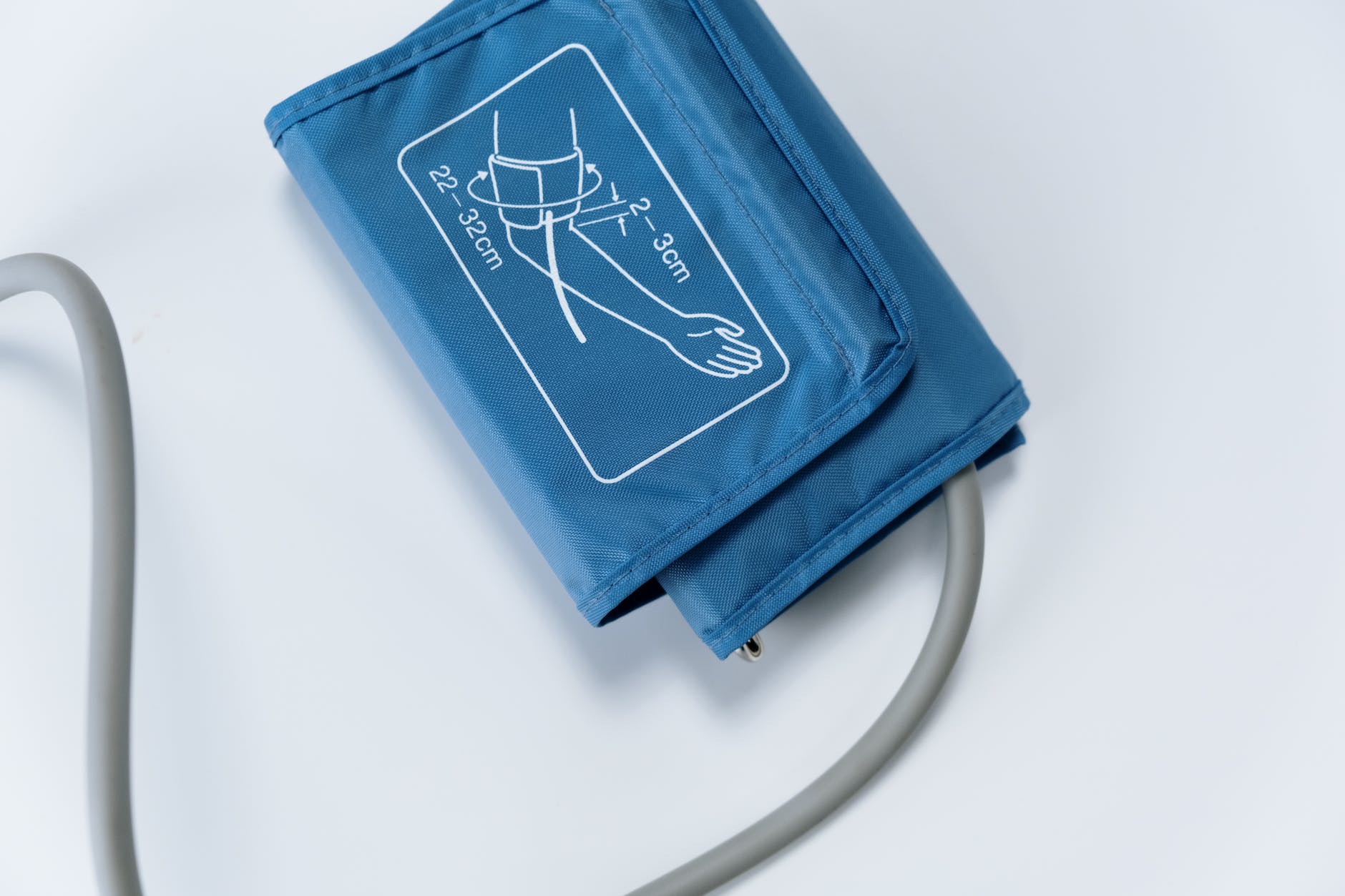
Embarking on a journey to lower blood pressure naturally is a proactive and empowering step towards better health.
Rather than relying solely on medications, understanding the power of lifestyle changes, dietary choices, and mindful practices can contribute significantly to achieving optimal blood pressure levels.
So, let’s explore the gentle yet effective pathways that nature provides, offering insights into the natural ways to lower blood pressure and foster a healthier, more balanced life.
What is Blood Pressure?
Blood pressure is a crucial indicator of cardiovascular health, representing the force of blood against the walls of arteries as the heart pumps it throughout the body. It is measured in millimeters of mercury (mmHg) and is typically expressed as two values: systolic pressure over diastolic pressure.
- Systolic Pressure (Top Number): This is the pressure in the arteries when the heart beats or contracts, pumping blood into the arteries.
- Diastolic Pressure (Bottom Number): This is the pressure in the arteries when the heart is at rest between beats, allowing it to fill with blood.
For example, if a blood pressure reading is 120/80 mmHg:
- 120 mmHg is the systolic pressure.
- 80 mmHg is the diastolic pressure.
Blood pressure is a vital aspect of circulatory function, ensuring that organs and tissues receive an adequate supply of oxygen and nutrients. Normal blood pressure typically ranges around 120/80 mmHg, but optimal values may vary based on factors such as age, sex, and overall health.
Persistent high blood pressure (hypertension) can lead to serious health issues, including heart disease, stroke, and kidney problems. Understanding blood pressure and maintaining it within a healthy range is crucial for overall well-being.
Low Blood Pressure
Low blood pressure, also known as hypotension, occurs when the force of blood against the walls of the arteries is lower than normal.
While low blood pressure is generally considered less concerning than high blood pressure, extremely low levels can lead to inadequate blood flow to the organs, potentially causing symptoms and complications.
Common symptoms of low blood pressure may include:
- Dizziness or Lightheadedness: A sudden drop in blood pressure can result in dizziness or a feeling of lightheadedness, especially when standing up from a sitting or lying position.
- Fainting (Syncope): In severe cases, low blood pressure may cause fainting or loss of consciousness.
- Blurred or Narrowed Vision: Inadequate blood flow to the eyes can cause vision disturbances.
- Nausea: Some people with low blood pressure may experience nausea or a sensation of being about to vomit.
- Fatigue: Insufficient blood flow to organs and muscles can lead to fatigue or weakness.
Several factors can contribute to low blood pressure, including:
- Dehydration: Not having enough fluid in your body can cause a drop in blood pressure.
- Severe Infections: Septicemia, a severe infection that enters the bloodstream, can lead to a life-threatening drop in blood pressure.
- Heart Problems: Extremely low heart rate (bradycardia), heart valve problems, heart attack, and heart failure can contribute to low blood pressure.
- Endocrine Problems: Some gland problems, like underactive thyroid (hypothyroidism), adrenal insufficiency (Addison’s disease), and low blood sugar (hypoglycemia), can trigger low blood pressure.
- Severe Allergic Reactions (Anaphylaxis): Anaphylaxis is a sudden, severe allergic reaction that can cause a drop in blood pressure.
For individuals with chronic low blood pressure without symptoms, treatment may not be necessary. However, if symptoms are present or if low blood pressure is causing complications, it’s essential to address the underlying cause.
High Blood Pressure
High blood pressure, or hypertension, is a common medical condition where the force of blood against the walls of the arteries is consistently too high. This condition can lead to serious health problems, including heart disease, stroke, and kidney damage, if left untreated.
Blood pressure is measured in millimeters of mercury (mmHg) and is expressed with two values:
- Systolic Pressure: The higher of the two numbers, representing the pressure in the arteries when the heart beats.
- Diastolic Pressure: The lower number, representing the pressure in the arteries when the heart is at rest between beats.
Normal blood pressure is typically around 120/80 mmHg. Hypertension is often defined as blood pressure consistently higher than 130/80 mmHg.
Risk factors for high blood pressure
Age
The risk of high blood pressure increases as you get older.
Family History
If your parents or close relatives had high blood pressure, you may be more likely to develop it.
Being overweight or obese
Excess weight puts more strain on the heart and increases the risk of hypertension.
Lack of Physical Activity
Physical inactivity is a significant risk factor for high blood pressure.
Unhealthy Diet
A diet high in salt, sodium, and low in potassium can contribute to high blood pressure.
Excessive Alcohol Consumption
Regularly drinking too much alcohol can raise blood pressure.
Chronic Kidney Disease
Conditions that affect the kidneys can lead to high blood pressure.
Most people with high blood pressure don’t have any symptoms, earning it the nickname “the silent killer.” It’s crucial to have your blood pressure checked regularly, especially if you have risk factors.
Lifestyle changes, such as adopting a healthy diet, increasing physical activity, and managing stress, can play a significant role in controlling blood pressure. In some cases, medications may be prescribed by a healthcare professional to help manage hypertension.
If you suspect or have been diagnosed with high blood pressure, it’s essential to work closely with your healthcare team to develop a personalised plan for monitoring and controlling your blood pressure.
Ways to Lower Blood Pressure Naturally
Lowering blood pressure naturally involves adopting a holistic approach that incorporates lifestyle modifications and healthy habits. Here are some effective ways to naturally lower blood pressure:
Dietary Changes:
Increase Potassium Intake: Potassium helps balance sodium levels and relax blood vessel walls. Foods rich in potassium include bananas, oranges, spinach, and sweet potatoes.
Follow the DASH Diet: The Dietary Approaches to Stop Hypertension (DASH) emphasises fruits, vegetables, whole grains, and lean proteins while limiting salt and processed foods.
Maintain a Healthy Weight:
Lose Excess Weight: Shedding extra pounds, even a modest amount, can significantly reduce blood pressure. Aim for a gradual and sustainable weight loss through a balanced diet and regular exercise.
Regular Physical Activity:
Engage in Aerobic Exercise: Activities like brisk walking, jogging, swimming, or cycling for at least 150 minutes per week can contribute to lower blood pressure.
Incorporate Strength Training: Building muscle through resistance training can also positively impact blood pressure.
Manage Stress:
Practice Relaxation Techniques: Techniques such as deep breathing, meditation, and yoga can help manage stress and lower blood pressure.
Prioritise Leisure Activities: Engage in activities you enjoy to reduce overall stress levels.
Limit Alcohol Consumption:
Moderation is Key: If you consume alcohol, do so in moderation. For most adults, this means up to one drink per day for women and up to two drinks per day for men.
Quit Smoking:
Tobacco Cessation: Quitting smoking has numerous health benefits, including a positive impact on blood pressure. Seek support and resources to quit smoking if needed.
Reduce Caffeine Intake:
Monitor Your Caffeine Consumption: While the relationship between caffeine and blood pressure isn’t fully understood, it may affect some individuals. Be mindful of your caffeine intake and its potential impact on your blood pressure.
Limit Processed Foods and Sodium:
Read Food Labels: Be aware of the sodium content in packaged and processed foods. Opt for fresh, whole foods and cook at home whenever possible to have better control over your salt intake.
Get Sufficient Sleep:
Prioritise Sleep: Aim for 7-9 hours of quality sleep per night. Establish a regular sleep routine to promote better sleep hygiene.
Stay Hydrated:
Drink Plenty of Water: Staying well-hydrated supports overall health and can contribute to better blood pressure management.
It’s important to note that these lifestyle changes are most effective when implemented consistently as part of a comprehensive approach. Additionally, individuals with hypertension or those at risk should consult with healthcare professionals for personalized guidance and monitoring.
How Losing Weight Can Help Lower Blood Pressure?
Losing weight can have a substantial impact on lowering blood pressure, especially if you are overweight or obese. Here are some ways in which weight loss contributes to blood pressure management:
Reduced Blood Volume
Excess weight often leads to an increase in blood volume, placing additional strain on the heart and blood vessels. Losing weight decreases the amount of blood that needs to be pumped, resulting in less pressure on the arterial walls.
Improved Heart Function
The heart has to work harder to pump blood through the body when you carry excess weight. Losing weight reduces the workload on the heart, allowing it to function more efficiently.
Decreased Resistance in Arteries
Obesity is associated with increased resistance in the arteries, making it more challenging for blood to flow. Weight loss contributes to improved artery function, reducing resistance and lowering blood pressure.
Lowered Inflammatory Markers
Obesity is often linked to chronic inflammation, which can contribute to hypertension. Losing weight can lead to a reduction in inflammatory markers, promoting better overall cardiovascular health.
Enhanced Blood Vessel Function
Weight loss has been shown to improve the function of the endothelium, the inner lining of blood vessels. This improvement supports better blood flow and helps regulate blood pressure.
Reduced Activation of the Renin-Angiotensin-Aldosterone System
This hormonal system plays a crucial role in regulating blood pressure. Excess weight can lead to overactivity of this system, contributing to hypertension. Weight loss can help normalise its function.
Improved Sleep Apnea
Obesity is a common risk factor for sleep apnea, a condition associated with high blood pressure. Losing weight can alleviate the symptoms of sleep apnea, contributing to better blood pressure control.
It’s important to note that even modest weight loss can have significant benefits for blood pressure. Losing as little as 5-10% of your body weight can lead to improvements.
Additionally, adopting a healthy lifestyle that includes regular physical activity and a balanced diet rich in fruits, vegetables, and low-fat dairy products can further enhance the positive effects of weight loss on blood pressure.
How V Slim Can Help You Lose Weight?
V Slim stands out as a revolutionary 3-in-1 fat-burning treatment, harnessing the power of Advanced Muscle Function (AMF), Low-Level Laser (LLL), and Radiofrequency (RF) technologies. This dynamic combination offers a comprehensive approach to weight management.
Let’s break down the key components that make V Slim an innovative solution in the realm of non-invasive fat reduction:
Advanced Muscle Function (AMF):
V Slim incorporates AMF technology, which engages targeted muscle groups with high-intensity contractions. This mimics the effects of an intensive workout, promoting muscle development and enhancing calorie expenditure.
Low-Level Laser (LLL):
The inclusion of LLL technology adds a non-invasive dimension to the fat-burning process. LLL stimulates the cells in adipose tissue, encouraging the release of stored fat to be metabolized and utilized for energy.
Radiofrequency (RF):
RF technology further contributes to the fat reduction process by promoting collagen production and tightening the skin. This dual benefit not only addresses unwanted fat but also enhances the overall tone and texture of the treated area.
One remarkable aspect of V Slim is its unique ability to facilitate fat burning while you’re in a comfortable reclined position. In fact, a single session, lasting just 30 minutes, is purported to deliver results equivalent to the effects of 40,000 sit-ups.
V Slim’s innovative combination of technologies aims to make your weight loss journey more efficient and enjoyable, emphasising both effectiveness and convenience.
Conclusion
Natural ways to lower blood pressure involve dietary changes, maintaining a healthy weight, regular physical activity, stress management, limiting alcohol consumption, quitting smoking, reducing caffeine intake, and prioritizing sufficient sleep and hydration.
These lifestyle modifications, when consistently implemented, can contribute to overall well-being and effective blood pressure management.
Additionally, losing weight can significantly impact blood pressure levels, especially for individuals who are overweight or obese.
Shedding excess pounds reduces blood volume, improves heart function, decreases resistance in arteries, lowers inflammatory markers, enhances blood vessel function, and reduces the activation of the renin-angiotensin-aldosterone system.
Even modest weight loss can lead to notable improvements in blood pressure.
Enter V Slim, a cutting-edge 3-in-1 fat-burning treatment that incorporates Advanced Muscle Function (AMF), Low-Level Laser (LLL), and Radiofrequency (RF) technologies.
Book a V Slim session today and embark on your journey to a healthier, happier you.