
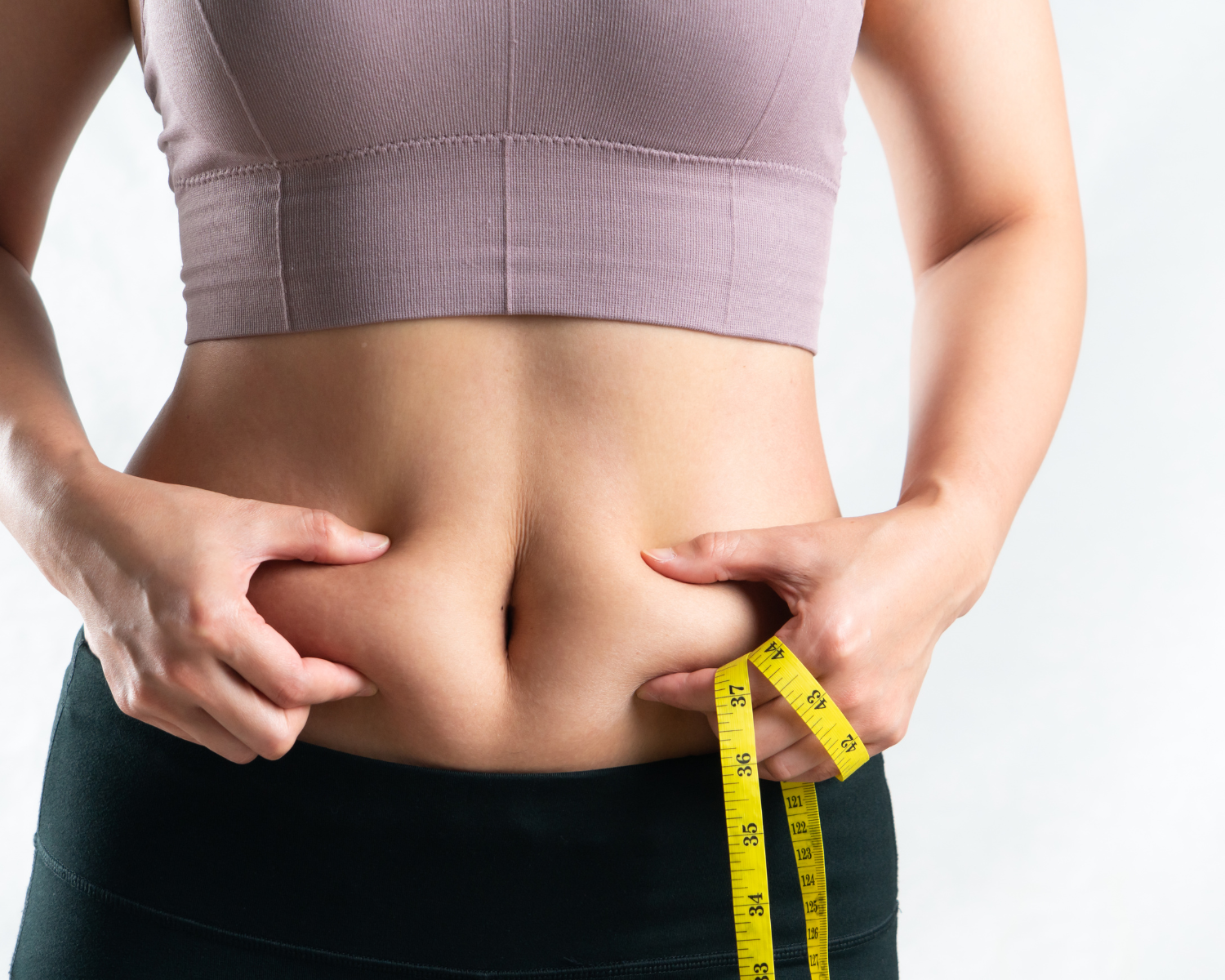
So, you’ve been working out, eating right, and yet somehow, the universe has conspired to keep that stubborn fat exactly where you don’t want it. If you’ve ever wondered why some people seem to store fat in all the wrong places—like the belly, thighs, or even the dreaded “love handles”—you’re not alone.
Let’s dive into the perplexing world of fat distribution and see if there’s anything you can do about it.
What is Fat Distribution?
Let’s start with the basics: fat distribution is exactly what it sounds like—how and where your body decides to store fat. It’s that mysterious force that determines whether your extra pounds end up on your belly, thighs, hips, or somewhere else. In other words, it’s what makes you you when it comes to your body shape.
But here’s the kicker: fat distribution isn’t just about aesthetics. It also plays a big role in your health. For instance, carrying too much fat around your abdomen—what we lovingly call belly fat—is linked to higher risks of heart disease, type 2 diabetes, and other nasties you definitely want to avoid.
How is Fat Usually Distributed?
Here’s where it gets a bit technical (but I promise, it won’t be boring!). Fat distribution in your body is mainly influenced by your genetics, hormones, and a bit of environmental magic. The two main types of fat are:
- Subcutaneous Fat: This is the fat that sits just under your skin. It’s the stuff you can pinch—like the fat on your thighs or hips. While it’s not exactly beloved, it’s less harmful than the other type.
- Visceral Fat: This is the fat that wraps around your internal organs. It’s deeper in the body, especially in the abdominal area. This one’s the troublemaker because it’s linked to higher risks of chronic diseases.
Most people tend to store a mix of both types, but the ratio can vary based on a bunch of factors, including your gender, age, and even your daily habits.
How Men and Women Store Fat Differently
Ever noticed how men and women seem to gain weight differently? That’s no accident. Men and women are programmed to store fat in different ways—blame it on evolution.
- Men: Typically, men tend to store fat around their abdomen. This “apple-shaped” fat distribution is what makes guys more likely to have a beer belly. The bad news? This type of fat distribution is more dangerous to your health, increasing the risk of heart disease and diabetes.
- Women: Women, on the other hand, are more likely to be “pear-shaped,” with fat accumulating around the hips, thighs, and buttocks. This fat distribution is less risky in terms of health, but it can be frustratingly stubborn to lose. Also, thanks to hormones like estrogen, women’s fat distribution can change over time, especially during menopause.
Why Is It Harder for Women to Lose Weight?
Speaking of which, let’s talk about why it can be so much harder for women to shed those extra pounds. If you’re a woman who’s ever wondered why your male counterpart can drop weight like it’s no big deal while you struggle to lose a single pound, you’re not imagining things.
- Hormones: One word: estrogen. This hormone encourages your body to store fat, especially around the hips and thighs. During menopause, estrogen levels drop, and guess what? Fat starts shifting to your abdomen, making it even more challenging to lose weight.
- Muscle Mass: Men naturally have more muscle mass, which burns more calories than fat. This means men have a higher resting metabolic rate, so they burn more calories even when they’re not doing anything. Lucky them!
- Biology’s Unfair Game: Evolution has made women’s bodies more efficient at storing fat because, historically, it helped women survive during times of famine. So, yes, your body is holding onto that fat for dear life because it’s wired to think you might need it to survive one day. Charming, isn’t it?
What Causes Changes in Fat Distribution?
So, if fat distribution is largely down to genetics and hormones, does that mean we’re doomed to whatever body shape the universe gave us? Not quite. A few things can cause changes in how fat is distributed in your body:
- Aging: As you get older, your metabolism slows down, and your hormone levels change, leading to a shift in where your body stores fat. For example, women may notice more fat around their waist after menopause.
- Hormonal Changes: Conditions like polycystic ovary syndrome (PCOS) in women can lead to changes in fat distribution. Men who experience a drop in testosterone levels might also notice an increase in belly fat.
- Stress: Ah, stress. Our modern-day nemesis. Chronic stress leads to the release of cortisol, a hormone that can cause your body to store more fat, particularly in the abdominal area.
- Lifestyle Factors: Lack of sleep, poor diet, and inactivity can also influence how your body stores fat. A sedentary lifestyle, for instance, can lead to more visceral fat.
Can You Change Where Your Body Stores Fat?
Alright, here’s the million-dollar question: can you actually change where your body stores fat? The short answer: not really.
But before you throw your hands up in despair, let’s break it down.
Imagine your body as an apartment building. Each floor represents different parts of your body, like your thighs, belly, or arms. Now, fat is like the residents of that building. Some floors get more residents (fat) than others because of the way the building is designed—blame the architect (a.k.a your genetics) for that. You can’t really tell people (fat) where to live; they’re going to go where they please.
But here’s the twist: while you can’t decide where the fat takes up residence, you can influence how many residents you have overall. When you start losing fat, the building doesn’t just kick people out from one specific floor. Instead, it reduces the number of residents on all floors. Some floors might empty out faster than others, but you don’t get to pick and choose. So, while spot reduction is a nice idea, it’s as realistic as a unicorn dancing on a rainbow.
But don’t despair! Even if you can’t control where fat leaves first, you can still shape the building by adding some cool features—think of this as building muscle. This makes the building look better overall, even if some residents (fat) stick around a little longer than others.
How Does Fat Leave the Body?
So if you can’t control where fat comes off, how does it actually leave your body? Here’s the science bit: when you lose fat, your body converts it into energy, which is then used up in various processes.
When your body breaks down fat for energy, it doesn’t just vanish into thin air. Instead, it gets converted into carbon dioxide (which you breathe out) and water (which you sweat or pee out). That’s right—when you lose fat, you’re literally exhaling it with every breath you take. So next time you’re working out, remember: those heavy breaths are helping you shed those extra pounds!
Ways to Change Fat Distribution
While you can’t control exactly where fat is stored or lost, there are things you can do to improve your overall body composition and maybe even shift some of that stubborn fat:
1. V Slim by V Aesthetics BodySlim:

If you’ve ever wished you could zap away stubborn fat, V Slim is here to answer your prayers—minus the magic wand. V Slim works by targeting fat cells in specific areas of your body, breaking them down, and helping you achieve a more sculpted appearance. While it doesn’t change your body’s natural fat distribution, it can help you get rid of the stubborn bits that refuse to budge, giving you a more balanced look overall.
2. Strength Training:
Building muscle isn’t just about getting stronger; it’s also one of the best ways to improve your body composition. Muscle burns more calories than fat, even when you’re at rest. By increasing your muscle mass, you can boost your metabolism and help your body burn more fat, leading to a more toned appearance. Plus, strength training can help you achieve a more balanced fat distribution by improving muscle definition in areas like your arms, legs, and core.
3. High-Intensity Interval Training (HIIT):
If you’re looking for a workout that’s efficient and effective, HIIT might be your best bet. These short bursts of intense exercise followed by brief periods of rest can help you burn more calories in less time, making it easier to lose overall body fat. And while you can’t pick and choose where the fat comes off, you’ll likely notice a more even fat loss with consistent HIIT workouts.
4. Balanced Diet:
You’ve heard it a million times, but it bears repeating: you can’t out-exercise a bad diet. To achieve a more balanced fat distribution, focus on a diet rich in whole foods—think fruits, vegetables, lean proteins, and healthy fats. Cutting down on refined sugars and processed foods can help reduce visceral fat, which is the more dangerous type of fat stored around your organs.
5. Stress Management:
Remember when we mentioned cortisol, the stress hormone that loves to store fat in your belly? Managing stress through practices like meditation, yoga, or simply getting more sleep can help lower cortisol levels and, in turn, reduce fat accumulation in unwanted areas.
6. Consistent Cardio:
Cardio isn’t just good for your heart; it’s also a key player in fat loss. Whether you prefer running, swimming, cycling, or even dancing, incorporating regular cardio into your routine can help you shed overall body fat, leading to a more balanced fat distribution. And the best part? Cardio can be as simple as a brisk walk or as intense as a full-on sprint, depending on your fitness level.
Conclusion
So, can you fix bad fat body distribution? The truth is, you can’t completely control where your body stores or loses fat, but you can take steps to improve your overall body composition. While spot reduction might be a myth, a combination of targeted treatments like V Slim, strength training, cardio, and a balanced diet can help you achieve a more balanced and sculpted appearance.
And let’s not forget the power of stress management—because, let’s face it, the only place you want to carry excess weight is in your handbag, not your body.
So, take a deep breath, stay consistent, and embrace the process—because a healthier, more balanced you is just around the corner.