

So, you’ve been hitting the gym, watching what you eat, maybe even dabbling in intermittent fasting, yet the scale still seems to have a personal vendetta against you. What gives? Well, there might be a sneaky culprit behind those stubborn pounds: low testosterone.
It’s not just something bodybuilders worry about or a topic for macho men’s health mags. Low testosterone, or “low T” as it’s often called, can be a real issue that could be messing with your weight, energy levels, and overall well-being. But don’t sweat it; we’re going to break it all down, and by the end of this article, you might just have a lightbulb moment that explains why that belly isn’t budging.
What is Testosterone?
Alright, let’s start with the basics. Testosterone is a hormone, and it’s not just any hormone—it’s kind of a big deal. Often labeled as the “male hormone,” testosterone plays a major role in the development of male reproductive tissues and the promotion of secondary sexual characteristics like muscle mass and body hair. But hey, women need testosterone too! It’s essential for bone strength, brain function, and yes, even sex drive in both men and women.
Think of testosterone as a multitasker: it’s responsible for boosting your mood, maintaining muscle mass, keeping your bones strong, and yes, even influencing how your body stores fat. In short, it’s the behind-the-scenes director that keeps many of your body’s functions running smoothly.
What Causes Low Testosterone for Men and Women?
So, how do things go haywire? Why does testosterone take a nosedive? For men, testosterone levels naturally decline with age—usually starting around age 30. But there are other factors too. And it’s not just men who need to watch out. Women can experience low testosterone too, particularly as they approach menopause.
For Men:
- Aging: This is the most common cause of low testosterone in men. After about age 30, testosterone levels naturally start to decline by about 1% per year.
- Obesity: Excess body fat, particularly around the abdomen, can convert testosterone into estrogen, further lowering testosterone levels.
- Stress: Chronic stress leads to high levels of cortisol, a hormone that can interfere with testosterone production.
- Lack of Exercise: A sedentary lifestyle can reduce testosterone levels, especially if you’re not engaging in resistance training or high-intensity workouts.
- Poor Diet: Diets high in processed foods and low in nutrients can lead to hormonal imbalances, including low testosterone.
For Women:
- Aging and Menopause: Just like men, women experience a decline in testosterone with age, particularly during and after menopause.
- Ovarian Issues: Conditions like polycystic ovary syndrome (PCOS) can lead to imbalances in hormone levels, including testosterone.
- Stress: Women are also affected by the testosterone-dampening effects of chronic stress.
- Hormonal Contraceptives: Some birth control methods can lower testosterone levels in women.
- Lack of Physical Activity: Just like men, women need regular exercise to maintain healthy testosterone levels.
Symptoms of Low Testosterone
Okay, now you’re probably wondering how to know if you have low T. The symptoms can be sneaky and sometimes attributed to other things, but if you’re experiencing several of these, it might be worth getting checked out.
Common Symptoms of Low Testosterone:
- Fatigue: We’re not talking about feeling tired after a long day; this is that bone-deep exhaustion that doesn’t go away.
- Mood Swings and Depression: Feeling down in the dumps? Low T could be the reason for your sour mood.
- Reduced Libido: Yes, your sex drive can take a nosedive when your testosterone levels do.
- Difficulty Building Muscle: Hitting the weights but not seeing gains? Low T might be sabotaging your efforts.
- Increased Body Fat: Particularly in the belly area—more on this in a bit.
- Memory Issues: Struggling to remember where you left your keys or what you were supposed to do today? Low T could be affecting your cognitive functions.
How to Test If You Have Low Testosterone
If you’re ticking off several of those symptoms, it’s time to consider getting tested with a professional specialist. The most straightforward way to check your testosterone levels is through a blood test. You can ask your doctor for a testosterone test, which is typically done in the morning when levels are at their highest. The test will measure the amount of testosterone in your blood, and your doctor can interpret the results based on your age, sex, and overall health.
Types of Tests:
- Total Testosterone: Measures the total amount of testosterone in your blood, including what’s bound to proteins.
- Free Testosterone: Measures the testosterone that’s not bound to proteins and is available for your body to use.
- Bioavailable Testosterone: This includes free testosterone plus testosterone loosely bound to a protein called albumin.
Why Can Low Testosterone Cause Weight Gain?
Here’s where things get interesting—and maybe a little frustrating. Low testosterone can make you gain weight, particularly around the belly. This happens for a couple of reasons.
First, testosterone helps regulate your metabolism, the process your body uses to convert food into energy. When your testosterone levels are low, your metabolism can slow down, meaning you’re burning fewer calories even if you’re doing everything right.
Second, testosterone plays a role in how your body stores fat. With low testosterone, your body is more likely to store fat, especially visceral fat—the kind that wraps around your organs and is linked to serious health problems like heart disease and diabetes.
Plus, low testosterone can lead to muscle loss, which further slows down your metabolism because muscle tissue burns more calories than fat tissue.
The Vicious Cycle:
- Low Testosterone -> Slower Metabolism -> Fat Gain
- Fat Gain -> More Visceral Fat -> Further Reduction in Testosterone
- Reduction in Muscle Mass -> Even Slower Metabolism -> More Fat Gain
How to Increase Testosterone Naturally
So, what can you do about it? The good news is that there are several ways to naturally boost your testosterone levels.
1. Exercise Regularly
- Strength Training: Lifting weights is one of the best ways to boost testosterone. Focus on compound movements like squats, deadlifts, and bench presses that engage multiple muscle groups.
- High-Intensity Interval Training (HIIT): Short bursts of intense exercise followed by periods of rest have been shown to increase testosterone levels.
2. Eat a Balanced Diet
- Healthy Fats: Incorporate healthy fats from sources like avocados, nuts, and olive oil. Fats are essential for hormone production, including testosterone.
- Protein: Ensure you’re getting enough protein to support muscle growth, which in turn helps maintain healthy testosterone levels.
- Carbs: Don’t cut out carbs completely—they’re important for energy and can help maintain testosterone during exercise.
3. Get Enough Sleep
- Quality Sleep: Aim for 7-9 hours of sleep per night. Lack of sleep has been shown to significantly reduce testosterone levels.
- Consistency: Going to bed and waking up at the same time every day can help regulate your hormones.
4. Manage Stress
- Reduce Cortisol: Chronic stress leads to elevated cortisol levels, which can negatively impact testosterone. Find stress-reducing activities like meditation, yoga, or even a relaxing hobby to help keep your cortisol levels in check.
How to Lose Weight from Hormonal Weight Gain
Alright, so you’re working on boosting your testosterone, but how do you tackle that stubborn weight gain? Here’s a plan that focuses on addressing hormonal imbalances, including low testosterone.
1. Adjust Your Diet
- Focus on Whole Foods: Ditch the processed foods and focus on a diet rich in whole grains, lean proteins, fruits, and vegetables. These foods help regulate insulin levels and support hormone balance.
- Reduce Sugar Intake: High sugar intake can spike insulin levels and lead to fat storage, particularly around the belly. Cut back on sugary drinks and snacks to help balance your hormones.
2. Incorporate Strength Training
- Build Muscle: Strength training not only boosts testosterone but also helps you build muscle, which can increase your metabolism and burn more calories, even at rest.
- Consistency is Key: Aim to incorporate strength training into your routine at least 3-4 times a week.
3. Consider Supplements
- Vitamin D: Low levels of vitamin D have been linked to low testosterone. Make sure you’re getting enough through sunlight, food, or supplements.
- Zinc and Magnesium: Both of these minerals play a role in testosterone production, so consider adding them to your supplement routine if your diet is lacking.
4. Get Help When Needed
- Consult a Professional: If you’re struggling with weight loss despite your best efforts, consider consulting with a healthcare professional who can help you understand if hormonal imbalances like low testosterone are playing a role.
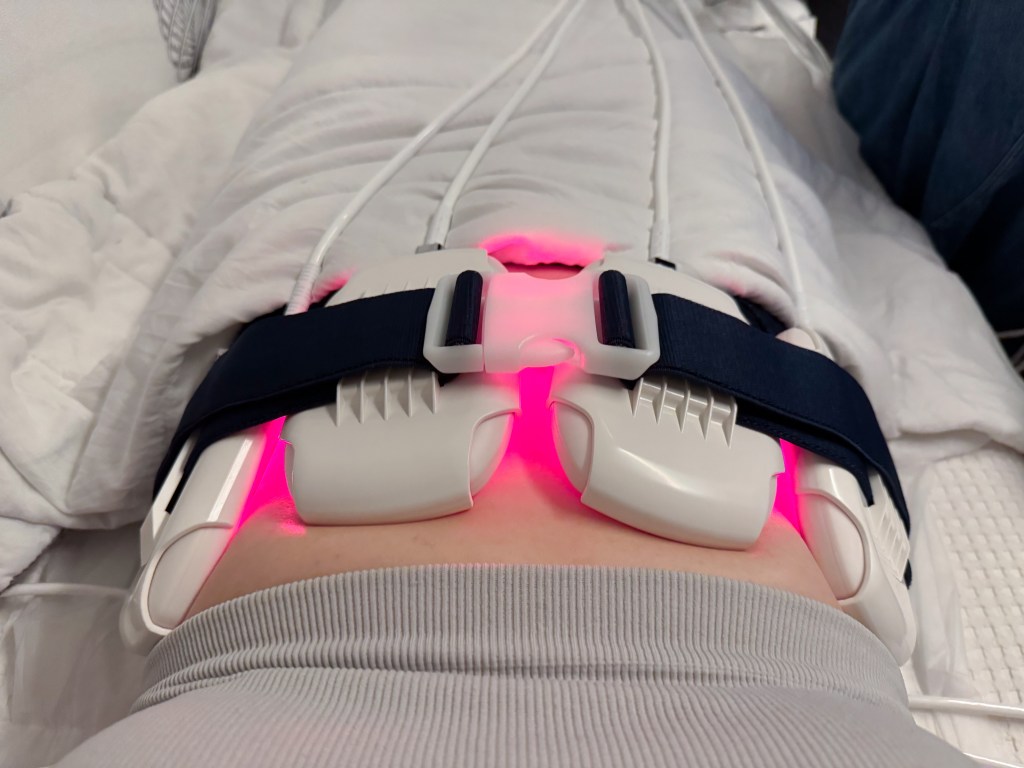
- V Slim by V Aesthetics BodySlim: If stubborn fat just won’t budge, treatments like V Slim can help target those areas, especially when hormonal imbalances are in play. This treatment uses advanced technology to promote fat loss and body contouring, helping you achieve your weight loss goals.
Conclusion
Low testosterone might not be something you’ve thought about in relation to your weight, but it’s worth considering, especially if you’ve tried everything else.
From understanding what causes low T to how it messes with your metabolism and fat storage, being informed is the first step to tackling the issue. And while boosting testosterone naturally is a great start, addressing hormonal weight gain involves a holistic approach that includes diet, exercise, and possibly even some professional help.
Remember, your body’s hormones are like a finely tuned orchestra—when one instrument is out of tune, it can throw off the whole symphony. So take care of your testosterone levels, and you might just find that the weight comes off a little easier.