

It’s a common frustration: you’ve committed to a healthier lifestyle, diligently working to shed those extra pounds. You anticipate a smoother, more toned physique as your reward. Yet, you may find yourself confronted with an unwelcome surprise – cellulite that appears more pronounced than before.
This situation raises a valid question: Why does a reduction in body fat, often associated with potentially improved aesthetics, sometimes lead to more visibility of cellulite?
This article explores the relationship between weight loss and cellulite, moving beyond casual explanations to explore the underlying scientific factors. We also delve into how changes in skin structure, fat distribution, and muscle tone may contribute to this outcome, providing you with a comprehensive understanding and actionable strategies.
What is Cellulite?
Cellulite is a structural skin condition characterised by a dimpled and uneven texture. It often arises from the interaction between subcutaneous fat and the connective tissue that anchors the skin to the underlying muscle. Specifically, fat cells are organised in chambers separated by fibrous septa (connective tissue bands). When these fat cells accumulate, they push against the skin while the septa pull downward, creating the characteristic “orange peel” or “cottage cheese” appearance.
The visibility of cellulite is influenced by the skin’s thickness, the connective tissue’s elasticity, and the size and arrangement of fat cells. While it’s more prevalent in women due to hormonal and structural differences in their connective tissue, it can affect individuals of all genders and body types.
Why Does Cellulite Become More Noticeable After Losing Weight?
The apparent contradiction of increased cellulite visibility following weight loss is potentially rooted in the body’s complex changes during this process. While losing weight reduces overall body fat, it doesn’t necessarily eliminate cellulite. It can sometimes accentuate its appearance due to the following reasons:
Skin Elasticity Declines
Skin elasticity, the ability to stretch and recoil, naturally diminishes with age. This decline is further influenced by factors like sun exposure, smoking, and genetics. When weight is lost, the skin must adapt to the new, smaller body contours. If skin elasticity is compromised, it may struggle to contract smoothly, draping loosely over the underlying tissues. This lack of tautness makes existing cellulite dimples more apparent.
Fat Loss Reduces Volume
Fat cells provide volume and support to the skin. As these cells shrink during weight loss, the skin loses some of its fullness. While this is generally a desirable outcome, it can also lead to the connective tissue bands pulling the skin inward more noticeably. Essentially, the reduced fat cushion allows the pulling action of the septae to create deeper, more defined dimples.
Muscle Tone Affects Skin Support
Underlying muscle tissue provides support and firmness to the skin. If muscle tone is poor, the skin lacks a firm foundation, which can exacerbate the appearance of cellulite. A lack of muscle definition in areas prone to cellulite, such as the thighs and buttocks, can increase the visibility of dimpling.
Factors Causing Cellulite
Cellulite isn’t just about how much you weigh or how healthy you are — it’s a bit more complicated than that. Here are several factors contributing to the development of cellulite, independent of weight fluctuations:
Genetics
Predisposition to cellulite is often inherited. Genetic factors can influence fat distribution, connective tissue structure, and metabolic rates.
Hormones
Hormonal changes, particularly fluctuations in oestrogen levels, play a significant role. These changes, common during puberty, pregnancy, and menopause, can affect blood flow, connective tissue strength, and fat cell size.
Habits
Sedentary behaviour, a diet high in processed foods, smoking, and chronic stress can exacerbate cellulite. These factors can impair circulation, weaken connective tissue, and promote fat accumulation.
Age
With age, the skin’s dermis thins, collagen and elastin production decreases, and connective tissue weakens. These changes contribute to reduced skin elasticity and increased cellulite visibility.
Factors That Make Cellulite More Visible After Weight Loss
While the factors above contribute to the formation of cellulite, the following specifically explain why it may become more visible after weight loss:
Skin Elasticity and Collagen Loss
Collagen and elastin are essential proteins that provide skin with its firmness, elasticity, and structure. Collagen strengthens the skin, while elastin enables it to stretch and snap back. As we age, collagen production naturally slows down, leading to a decline in skin elasticity. Rapid weight loss can further stress the skin, potentially contributing to collagen breakdown and weakening the skin’s supporting structure. This diminished elasticity means the skin struggles to adapt to the body’s new contours, making cellulite dimples more visible.
Reduced Fat Cushioning
Fat cells, while often targeted during weight loss, also contribute to the skin’s smoothness by providing a layer of cushioning. When these fat cells shrink, the skin loses some of this underlying support. Consequently, the connective tissue bands that tether the skin down pull more forcefully, creating deeper and more pronounced dimples. This is particularly noticeable in areas where fat deposits are naturally more concentrated, such as the thighs and buttocks.
Muscle Tone & Skin Firmness
Muscle tissue provides structural support to the skin, helping to maintain its firmness and shape. When muscle tone is poor, the skin lacks this support, making cellulite more apparent. Building lean muscle mass, especially in areas prone to cellulite, can help to “fill in” the areas where fat loss has occurred, creating a smoother, more contoured appearance. Conversely, a lack of muscle definition can allow the skin to sag slightly, accentuating the dimpling effect of cellulite. Lifestyle habits such as regular exercise and a protein-rich diet are essential for maintaining and developing muscle tone.
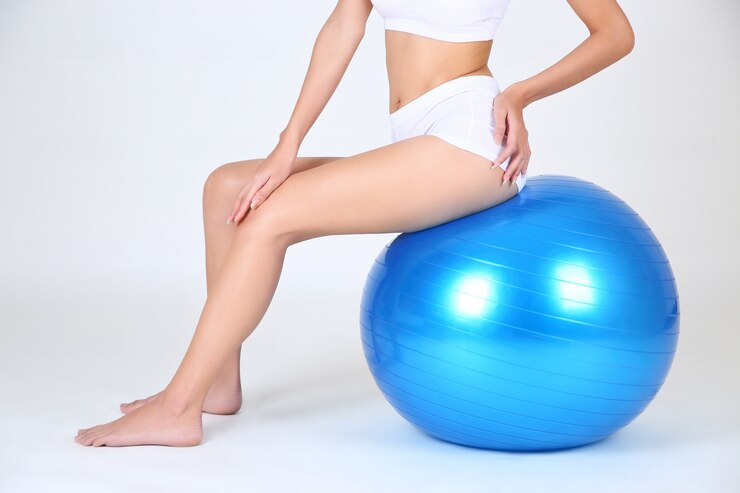
How to Prevent or Reduce the Appearance of Cellulite After Losing Weight
While it may not be possible to eliminate cellulite entirely, you can take proactive steps to minimise its appearance, especially during and after losing weight.
No Rapid Weight Loss
Gradual and sustainable weight loss allows the skin more time to adapt to changes in body shape. Aim for a healthy weight loss rate of 0.5 to 1 kilogramme per week. This approach minimises skin stress and promotes better skin elasticity.
Strength Training for Firmer Skin
Instead of aiming to “get toned,” focus on progressive resistance training to build and maintain muscle volume. Exercises like squats, lunges, deadlifts, and resistance band workouts can effectively strengthen the muscles in the thighs, buttocks, and hips. Increased muscle mass provides greater support to the skin, making cellulite less noticeable. Varying your strength training routine and gradually increasing the weight or resistance can further enhance muscle development.
Diet Matters
A balanced and nutritious diet is crucial for overall skin health and can indirectly influence the appearance of cellulite. Prioritise whole, unprocessed foods and include plenty of fruits, vegetables, lean proteins, and whole grains. Limit processed foods, sugary drinks, and unhealthy fats, as these can contribute to inflammation and fat accumulation.
Skincare & Hydration for Skin Elasticity
Proper skincare and hydration are essential for maintaining skin health and elasticity. Adequate water intake keeps skin plump and supple and helps it adapt to changes in body shape. Meanwhile, incorporating foods rich in vitamin C, such as citrus fruits, berries, and leafy greens, is recommended for collagen synthesis. Alternatively, topical creams containing retinol, a vitamin A derivative, can stimulate collagen production and improve skin tightening over time. However, it’s important to use these products as directed and be aware of potential skin sensitivity.
Professional Aesthetic Treatments
For individuals seeking targeted solutions, several non-invasive aesthetic procedures are available. These procedures can complement lifestyle changes and further help to reduce the appearance of cellulite.
- Non-invasive Skin-Tightening Options: Procedures like radiofrequency and ultrasound aim to deliver energy to the deeper layers of the skin, stimulating collagen and elastin production, which may improve skin firmness and help reduce cellulite dimpling.
- V Slim Treatment: V Slim is a non-invasive cellulite treatment in Singapore that combines low-level laser therapy, radiofrequency energy, and amplitude-modulated middle frequency (AMF). This method targets fat cells, tightens skin, and stimulates muscle activity, providing a comprehensive approach to cellulite reduction.
Conclusion
The condition whereby cellulite becomes more visible after weight loss is typically a result of natural physiological changes. It arises from the interplay of diminished skin elasticity, reduced fat cushioning, and the influence of muscle tone on skin support. While these factors can be disheartening, it’s crucial to remember that cellulite is a common concern, and its appearance can be improved.
By adopting a multifaceted approach that includes gradual weight loss, consistent strength training, a balanced diet, and targeted skincare, you can promote healthier skin and minimise the visibility of cellulite. Professional treatments, such as V Slim and other non-invasive skin-tightening options in Singapore, can further enhance these efforts.
Ultimately, remember that achieving smoother skin is a journey. With patience, persistence, and a focus on overall well-being, you can enhance your confidence and feel your best.