
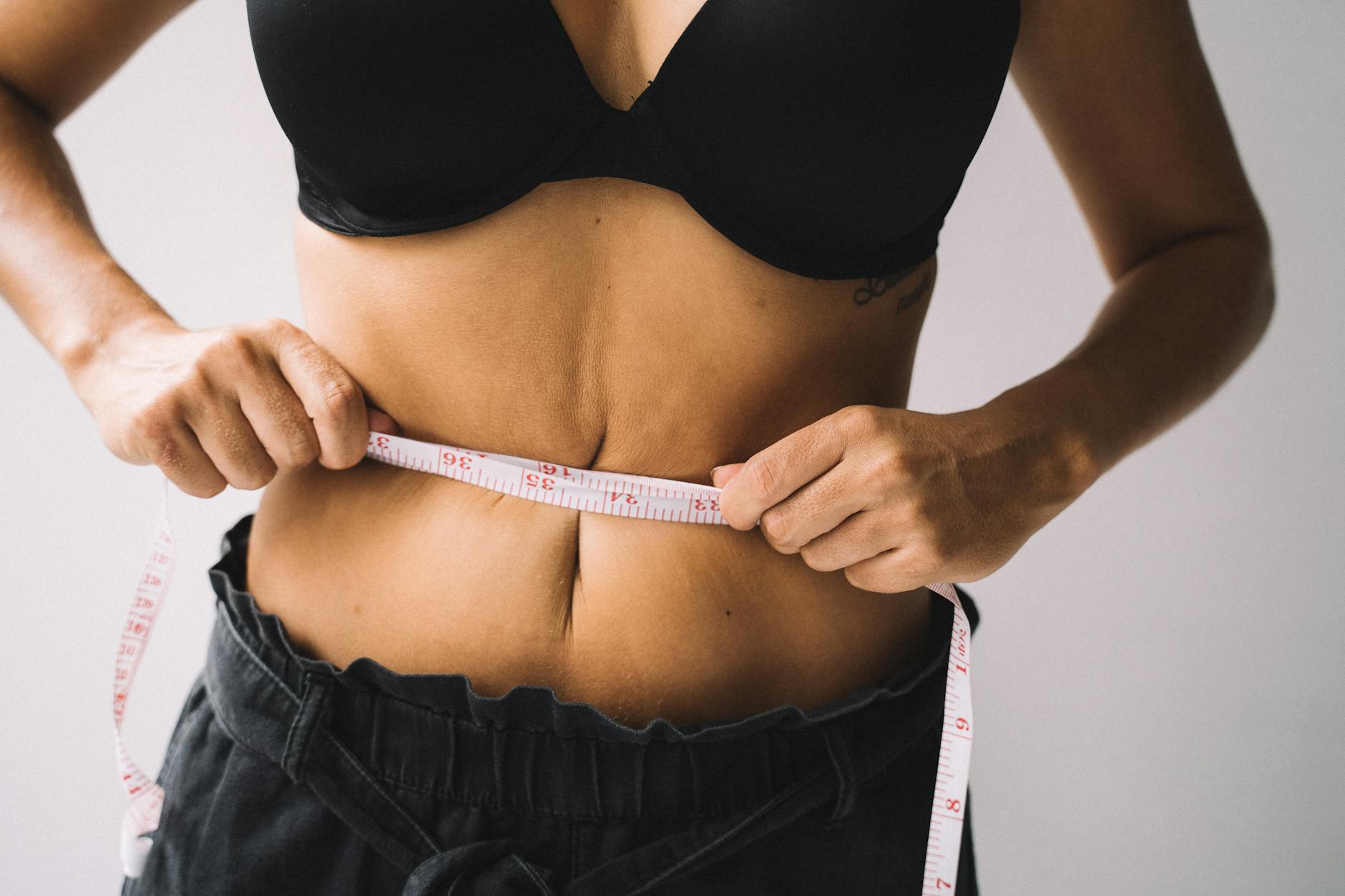
Why it’s more than just an appearance concern
Most people think of stubborn fat as simply a cosmetic frustration — something that makes jeans feel tighter or clothes less flattering.
But science shows that certain types of body fat can be harmful to your health in ways that go far beyond looks.
If you’ve been struggling with persistent fat around your belly, hips, or thighs, it’s worth understanding what’s really happening in your body — and why addressing it is about health first, aesthetics second.
Not All Fat Is Created Equal
Your body stores fat in different ways:
- Subcutaneous fat – Found just under the skin. It’s softer, pinchable, and generally less dangerous to health, but can still affect mobility and comfort.
- Visceral fat – Stored deeper, wrapping around internal organs like the liver, pancreas, and intestines. This type is far more dangerous.
💡 You can be a “healthy weight” on the scale but still have high visceral fat.
Stubborn Belly Fat and Heart Disease Risk
Excess visceral fat is closely linked to:
- Higher blood pressure
- Elevated LDL (“bad”) cholesterol
- Inflammation in blood vessels
Over time, these changes increase the risk of heart disease, stroke, and artery blockages.
Source: Harvard Health – Visceral Fat and Heart Health
Increased Risk of Type 2 Diabetes
Visceral fat interferes with how your body uses insulin, often leading to insulin resistance. This can cause:
- Higher blood sugar levels
- Pre-diabetes
- Eventually, Type 2 diabetes if unmanaged
Hormonal Imbalances and PCOS
For women, stubborn fat — especially in the abdominal area — can disrupt hormonal balance, increasing:
- Testosterone levels
- Menstrual irregularities
- PCOS (Polycystic Ovary Syndrome) symptoms
This can also make losing weight even harder, creating a frustrating cycle.
Joint Strain and Mobility Issues
Extra weight around the midsection adds mechanical stress to the:
- Lower back
- Knees
- Hips
This can lead to chronic pain, reduced range of motion, and an increased risk of osteoarthritis.
Mental and Emotional Impact
Beyond physical health, stubborn fat often:
- Affects self-esteem
- Limits clothing choices
- Reduces willingness to participate in social or physical activities
Over time, this can contribute to anxiety, low mood, and even social isolation.
Why Addressing Stubborn Fat Matters
This isn’t about chasing a “perfect” body — it’s about improving:
- Cardiovascular health
- Hormonal balance
- Mobility and comfort
- Overall quality of life
Safe and Sustainable Approaches
1. Balanced Nutrition
Focus on whole foods, adequate protein, and limiting added sugars.
2. Consistent Movement
Aim for a mix of strength training, cardio, and daily activity like walking.
3. Stress and Sleep Management
Both affect cortisol, a hormone linked to fat storage.
4. Targeted Support for Stubborn Areas
When lifestyle changes aren’t enough, non-invasive treatments can help address stubborn fat without surgery or downtime.
A Gentle Boost: How V SLIM Fits In
For many, stubborn fat isn’t due to a lack of discipline — it’s a combination of genetics, hormones, and lifestyle factors.
V SLIM offers a way to:
- Target specific areas of fat
- Stimulate circulation and muscle toning
- Reduce water retention and bloating
- Support inch loss alongside healthy habits
It’s non-invasive, painless, and designed to complement — not replace — your lifestyle changes.
📍 Find out about V Slim today!
Final Takeaway
Ignoring stubborn fat isn’t just about holding on to a few extra inches — it can have real consequences for your heart, hormones, mobility, and long-term health.
Taking action early, even with small changes, can:
- Reduce health risks
- Improve energy levels
- Boost both physical and emotional wellbeing
Because in the end, slimming down is less about how you look — and more about how long, and how well, you live.