
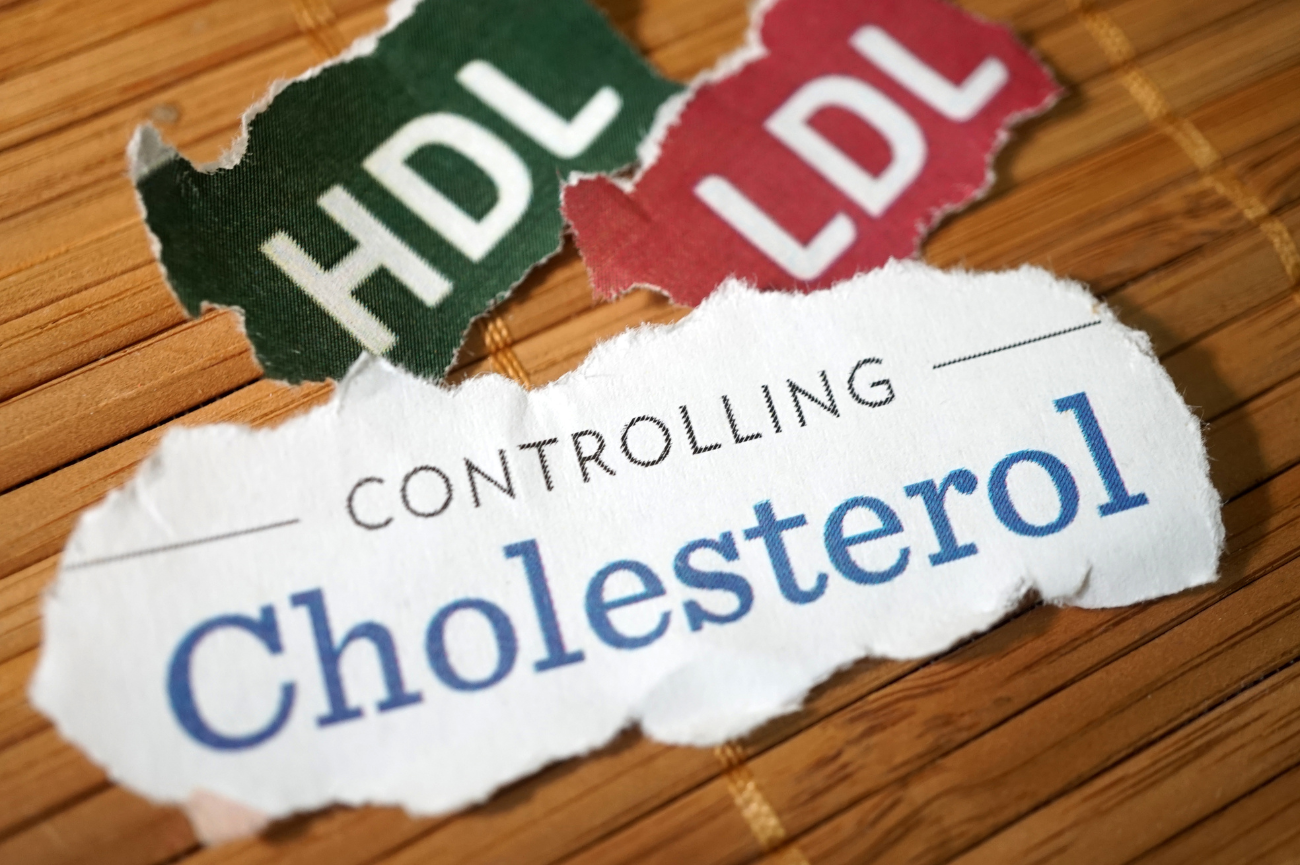
Welcome to the journey toward a healthier you! If you’ve got high cholesterol on your health radar, you’re in the right place.
Understanding how to lower those cholesterol levels is not only a step toward heart health but an investment in your overall well-being.
No need for complex medical jargon or drastic measures – we’re diving into practical tips and lifestyle changes that can make a significant impact.
Get ready to take charge of your cholesterol and embrace a path to a heart-healthy life. Let’s navigate this together!
What is Cholesterol?
Cholesterol is a waxy, fat-like substance found in the cells of your body and certain foods. It’s crucial for building cell membranes, producing hormones, and aiding in the digestion of fat.
Cholesterol travels through the bloodstream in lipoproteins, which are particles that contain both fat and protein.
While your body needs cholesterol to function properly, an excess of it, particularly low-density lipoprotein (LDL) cholesterol, can contribute to the formation of plaque in your arteries, leading to various cardiovascular issues.
Maintaining a balance in cholesterol levels is essential for overall health.
2 Types of Cholesterol
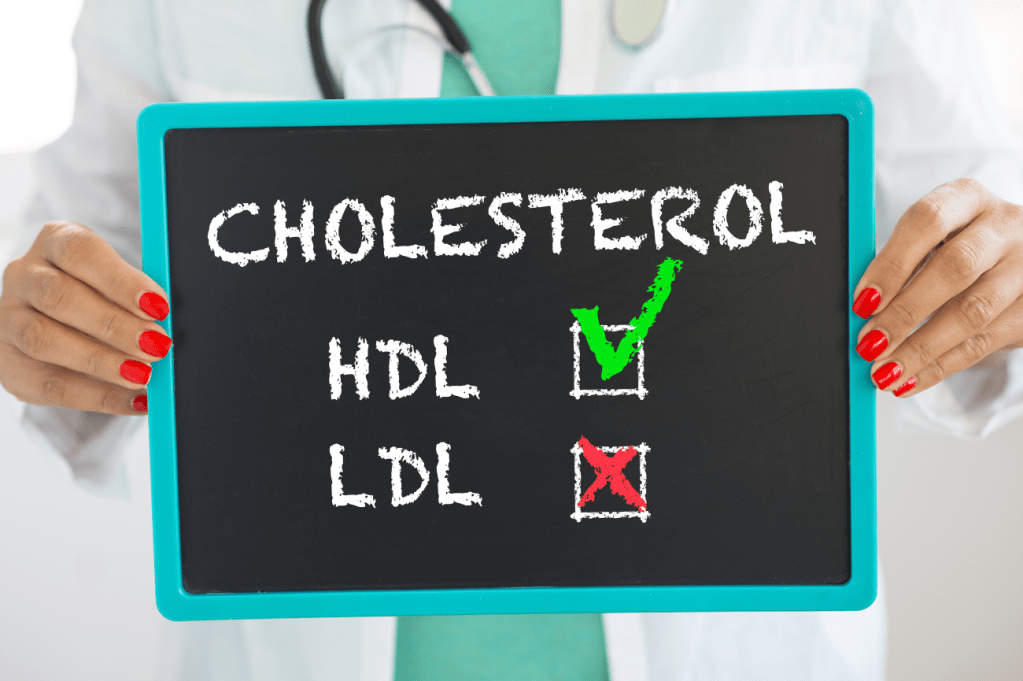
Cholesterol comes in two main types: low-density lipoprotein (LDL) and high-density lipoprotein (HDL).
LDL cholesterol is often referred to as “bad” cholesterol because high levels can lead to the buildup of plaque in arteries, increasing the risk of heart disease.
On the other hand, HDL cholesterol is known as “good” cholesterol because it helps remove LDL cholesterol from the bloodstream, reducing the risk of heart disease.
Balancing these two types of cholesterol is crucial for maintaining cardiovascular health.
What led to LDL Cholesterol?

LDL cholesterol, often labeled as “bad” cholesterol, can increase due to various factors.
A diet high in saturated and trans fats, found in many processed and fried foods, can contribute to elevated LDL levels.
Lack of physical activity and a sedentary lifestyle are additional factors that may lead to an increase in LDL cholesterol.
Genetics also play a role; some people may have a genetic predisposition to higher levels of LDL cholesterol.
Smoking and excessive alcohol consumption can negatively impact cholesterol levels as well.
What Can You Do to Reduce LDL Cholesterol
Lowering LDL cholesterol involves adopting a heart-healthy lifestyle. Here are actionable steps you can take to reduce LDL cholesterol:
1. Cut Out Trans Fat in Diet
Cutting out trans fat from your diet is a crucial step toward improving heart health and lowering LDL cholesterol levels. Trans fats are artificially created fats through a process called hydrogenation, often found in processed and commercially baked goods. Here’s how you can effectively eliminate trans fat:
Read Food Labels
Carefully read nutrition labels on packaged foods. Look for the term “partially hydrogenated oils” in the ingredient list. If you spot it, the product contains trans fats, and it’s best to avoid it.
Choose Whole Foods
Focus on whole, unprocessed foods like fruits, vegetables, whole grains, lean proteins, and nuts. These foods are naturally free of trans fats and offer a wealth of nutrients.
Cook at Home
When you cook at home, you have control over the ingredients in your meals. Use healthier cooking oils like olive oil or canola oil instead of partially hydrogenated oils.
Limit Fast Food and Processed Snacks
Fast food and many processed snacks often contain trans fats. Opt for homemade alternatives or choose snacks with little to no trans fat.
Select Trans Fat-Free Products
Some food manufacturers have eliminated trans fats from their products. Look for items labeled “trans fat-free” or “0 grams of trans fat.”
Beware of Fried Foods
Fried foods, especially those from commercial outlets, may be cooked in oils containing trans fats. Choose baked, grilled, or steamed options instead.
2. Load Up on Omega 3 Fatty Food
Loading up on foods rich in omega-3 fatty acids is a heart-healthy strategy to lower LDL cholesterol and promote overall cardiovascular well-being. Omega-3 fatty acids are essential fats that the body needs but cannot produce on its own. Here’s how you can incorporate more omega-3s into your diet:
Fatty Fish
Salmon, mackerel, trout, sardines, and herring are excellent sources of omega-3s. Aim to include fatty fish in your diet at least twice a week. Grilling or baking fish is a healthier cooking method than frying.
Chia Seeds
These tiny seeds are packed with omega-3s, making them a versatile addition to your diet. Add chia seeds to yogurt, smoothies, or sprinkle them over salads and oatmeal.
Flaxseeds
Ground flaxseeds are rich in alpha-linolenic acid (ALA), a plant-based omega-3 fatty acid. Incorporate flaxseeds into your diet by mixing them into cereals, yogurt, or using them as an egg substitute in baking.
Walnuts
Walnuts are a convenient and delicious way to boost your omega-3 intake. Snack on a handful of walnuts or add them to salads, oatmeal, or yogurt for an extra crunch.
Soybeans and Tofu
Soybeans and tofu are plant-based sources of omega-3s. Include soy-based products in your diet, such as tofu stir-fries or edamame beans as a snack.
Canola Oil
Swap out less healthy cooking oils with canola oil, which contains a moderate amount of ALA. Use it for sautéing, baking, or making salad dressings.
Eating Algal Oil
Algal oil, derived from algae, is a plant-based source of omega-3s. It’s available in supplement form and can be a suitable option for those who don’t consume fish.
3. Increase Your Fiber Intake
Boosting your fiber intake is a simple yet effective way to promote heart health and reduce LDL cholesterol. Fiber acts like a superhero for your cardiovascular system, helping to lower cholesterol levels.
Choose whole grains like oats, barley, and quinoa for a fiber-packed breakfast. Fruits, vegetables, and legumes are also fantastic sources of fiber – think apples, broccoli, and lentils.
Snack on nuts and seeds, which not only satisfy hunger but also contribute to your daily fiber goal.
Making these small but impactful changes to your diet by incorporating fiber-rich foods can go a long way in supporting your heart and overall well-being.
4. Quit Smoking
Stubbing out that last cigarette is a crucial step in your journey to lower LDL cholesterol and improve heart health. Smoking not only damages your lungs but also wreaks havoc on your cardiovascular system.
The harmful chemicals in tobacco smoke can lower your “good” HDL cholesterol while simultaneously raising the “bad” LDL cholesterol.
Additionally, smoking contributes to the build-up of plaque in your arteries, narrowing them and increasing the risk of heart disease. By quitting smoking, you not only protect your lungs but also take a significant stride towards reducing LDL cholesterol, enhancing blood circulation, and improving your overall cardiovascular health.
It’s a challenging yet rewarding move for a healthier, cholesterol-friendly lifestyle.
5. Lose Weight
Shedding those extra pounds isn’t just about fitting into your favorite jeans – it’s a powerful strategy for reducing LDL cholesterol and promoting overall heart health.
When you embark on a weight loss journey through a combination of a balanced diet and regular exercise, you not only trim down your waistline but also prompt positive changes in your cholesterol profile.
As you lose weight, your body becomes more efficient at metabolizing fats, leading to a decrease in LDL cholesterol. It’s not just a number on the scale; it’s a tangible investment in your cardiovascular well-being.
How Being Overweight Raises Your Risk of High Cholesterol
Being overweight or obese raises the risk of developing high cholesterol, particularly the harmful LDL cholesterol. Here’s how the weight on the scale can tip the scales in favor of high cholesterol:
Increased LDL Cholesterol
Being overweight often leads to elevated levels of low-density lipoprotein (LDL) cholesterol, commonly known as the “bad” cholesterol. This type of cholesterol can build up on the walls of arteries, forming plaque and narrowing the blood vessels.
Reduced HDL Cholesterol
On the flip side, carrying excess weight can lead to lower levels of high-density lipoprotein (HDL) cholesterol, the “good” cholesterol responsible for removing LDL cholesterol from the bloodstream. This imbalance further contributes to the risk of high cholesterol.
Triglyceride Trouble
Obesity is frequently associated with elevated triglyceride levels, another type of fat found in the blood. High triglycerides, combined with high LDL cholesterol and low HDL cholesterol, create a trifecta of risk factors for cardiovascular disease.
Insulin Resistance
Excess weight often goes hand in hand with insulin resistance, a condition where the body’s cells don’t respond effectively to insulin. This can lead to higher levels of circulating insulin, contributing to the production of more cholesterol by the liver.
Inflammation
Obesity is linked to chronic inflammation in the body. Inflammatory processes can impact the normal metabolism of cholesterol and contribute to the development of atherosclerosis, a condition where arteries become narrowed and hardened.
Unhealthy Lifestyle Habits
Being overweight is frequently associated with unhealthy lifestyle habits, such as a diet high in saturated and trans fats, lack of physical activity, and smoking. These factors independently contribute to high cholesterol levels and increase the overall risk of heart disease.
Understanding how being overweight raises the risk of high cholesterol emphasizes the importance of maintaining a healthy weight through a balanced diet, regular physical activity, and lifestyle choices that support cardiovascular well-being.
How V Slim Can Help You Lose Weight
V Slim isn’t just about shedding unwanted fat; it’s a transformative journey towards a healthier and more confident you. Here’s how V Slim, with its cutting-edge technology and personalized approach, can be your ally in the quest for weight loss:
Effortless Fat Blasting
V Slim employs advanced technology that targets stubborn fat with remarkable efficiency. Imagine the impact of 40,000 sit-ups without breaking a sweat – that’s the magic of V Slim. It makes the process of shedding those extra inches almost effortless.
Precision Strikes
One size doesn’t fit all, and V Slim understands that. It’s your personalized strategist, targeting specific areas with precision. Whether it’s the lower belly pouch or those tricky love handles, V Slim knows where to aim for maximum impact.
No Sweat, No Fuss
Say goodbye to grueling workout routines and extreme diets. V Slim offers a non-invasive, time-efficient solution. In just 30 minutes, you can be on your way to a trimmer you – no downtime, no fuss.
Doctor-Designed Excellence
Your safety is the top priority. V Slim’s procedures are crafted by doctors, ensuring not only effectiveness but also your well-being throughout the process. Trust the pros to guide you on your journey to a toned physique.
Boost in Confidence
It’s not just about losing weight; it’s about regaining confidence. Whether you’re prepping for beach season or simply want to feel better in your own skin, V Slim’s targeted approach is your secret weapon.
Conclusion
In the pursuit of lowering high cholesterol, embracing a healthier lifestyle is the key to success. While dietary changes, increased physical activity, and natural remedies play a pivotal role, a holistic approach can be complemented by innovative solutions like V Slim.
This cutting-edge technology offers a targeted approach to weight loss, contributing not only to a healthier heart but also to increased confidence.
So, as you make mindful choices in your diet and lifestyle, consider the transformative benefits that V Slim brings to the table, making your journey to lower cholesterol levels a holistic and empowering experience.
Here’s to a heart that beats with strength, resilience, and the support of innovative solutions like V Slim!
Book a V Slim session today and embark on your journey to a healthier, happier you.