
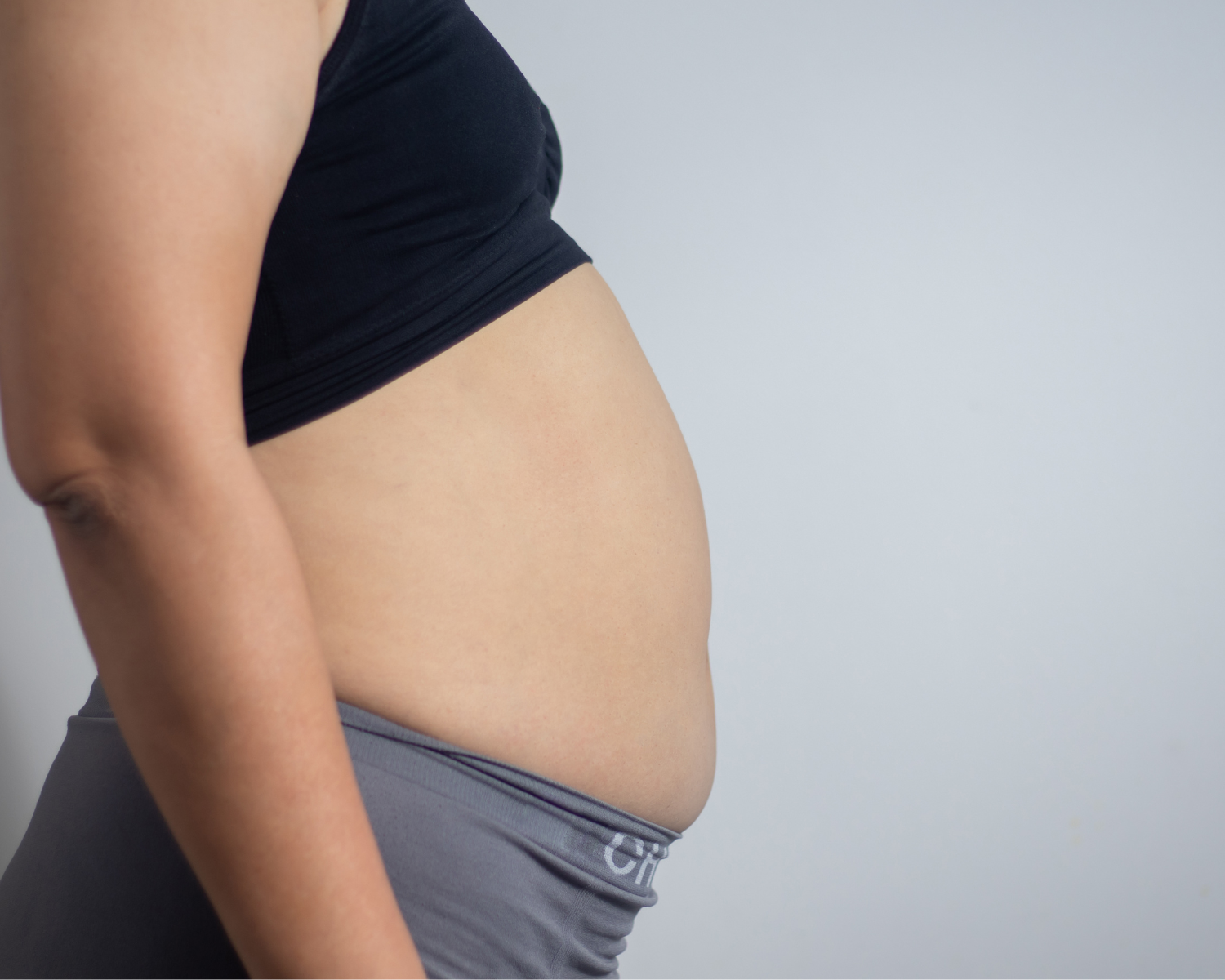
Is there anything more uncomfortable than that tight, full feeling of bloating? It’s like your stomach decided to throw a party and forgot to invite the rest of your body.
Bloating can hit out of nowhere, turning a perfectly good day into a struggle to zip up your jeans. But don’t worry – getting rid of bloating for good is not as complicated as quantum physics. It’s about understanding what causes it and making a few smart changes to your daily routine.
Ready to say goodbye to the bloat and hello to a flatter, happier belly? Let’s dive into the practical tips and tricks that will help you beat the bloat for good!
Why Am I So Bloated?
Why am I so bloated? Ah, the million-dollar question. Bloating can feel like your stomach’s holding a grudge for no apparent reason.
The truth is, there are several culprits behind that uncomfortable puffiness. It could be something you ate – maybe you indulged in a bit too much fiber or salty foods. Or perhaps you’re guzzling carbonated drinks, which can trap gas in your digestive system.
Don’t forget about eating too quickly, which makes you swallow air along with your food. Even stress and lack of sleep can play a role, disrupting your gut health.
So, before you panic, take a closer look at your habits and see if one of these sneaky causes might be the reason your belly’s feeling more like a balloon.
Chew Your Food – Slowly!
One of the simplest yet most effective ways to combat bloating is to slow down and chew your food thoroughly. Think of it as giving your digestive system a head start. When you eat too quickly, you tend to swallow air along with your food, which can lead to gas and, you guessed it, bloating. Plus, large chunks of food are harder for your stomach to break down, making digestion less efficient and more likely to cause discomfort. By taking the time to chew each bite slowly and thoroughly, you’re helping your body digest more easily and reducing the chances of feeling like a human balloon.
So, next time you sit down to eat, remember: slow and steady wins the race against bloating.
Watch What You Eat
Keeping an eye on what you eat is a game-changer when it comes to beating bloating. Certain foods are notorious for causing gas and discomfort, like beans, broccoli, and cabbage – they’re basically the usual suspects. Carbonated drinks? Those bubbly culprits can trap gas in your digestive system, leaving you feeling puffed up. And let’s not forget about salty snacks; too much sodium makes your body retain water, adding to that bloated feeling.
Keep a food diary to track what you eat and how it affects you. By identifying and moderating your intake of these bloat-inducing foods, you can enjoy meals without the post-dinner puffiness.
Remember, mindful eating isn’t just about what you eat but how it makes you feel afterward.
Try a Probiotic
Feeling bloated all the time? It might be time to enlist some friendly bacteria to help out. Probiotics are those good-for-you microbes that can work wonders on your gut health.
They help balance the bacteria in your digestive system, which can reduce gas and bloating. Think of them as tiny helpers that keep everything running smoothly down there. You can find probiotics in fermented foods like yogurt, kefir, and sauerkraut, or in supplement form if that’s more your style.
Adding a probiotic to your daily routine can help maintain a happy, balanced gut, making those bloated days a thing of the past. So, give your gut a boost with some probiotics and feel the difference they can make!
V Slim

If bloating has become your constant companion, V Slim might be the game-changer you’ve been searching for. V Slim is a non-surgical slimming treatment designed to tackle fat and tone your body, but it also has some impressive benefits when it comes to bloating. Here’s how:
- Reduces Water Retention: V Slim treatments can help reduce excess water retention in your body, which is a common cause of bloating. By targeting areas where fluid tends to accumulate, it can help you achieve a flatter, more comfortable tummy.
- Boosts Circulation: Improved blood flow is another perk of V Slim. Enhanced circulation helps your body eliminate toxins and reduce inflammation, which can significantly decrease bloating.
- Promotes Healthy Digestion: The treatment’s technology aids in stimulating the lymphatic system, which plays a key role in digestion and the removal of waste products from your body. A healthier digestive system means less bloating and discomfort.
- Breaks Down Fat Cells: V Slim uses advanced technology to target and break down fat cells. While this primarily aids in slimming and contouring, the reduction in abdominal fat can also help alleviate pressure on your digestive system, reducing bloating.
By incorporating V Slim into your routine, you’re not only working towards a slimmer physique but also tackling the root causes of bloating. It’s a win-win situation that leaves you feeling lighter, more comfortable, and ready to take on the day without the dreaded belly bloat.
Managing Stress: Your Secret Weapon Against Bloating
In the battle against bloating, stress might just be the silent saboteur lurking in the shadows. When life gets hectic, our bodies react, and one common consequence is bloating. Here’s how stress wreaks havoc on your digestive system and what you can do about it:
- Impact on Digestion: Stress triggers the release of hormones like cortisol, which can disrupt digestion. This can lead to bloating as your body struggles to process food efficiently.
- Changes in Eating Habits: Under stress, some people turn to comfort foods that are high in fat or sugar, which can exacerbate bloating. Others may rush through meals, leading to poor digestion and bloating.
- Gut Health: Stress can negatively affect the balance of bacteria in your gut, known as the microbiome. An imbalance can lead to bloating and other digestive issues.
Strategies to Combat Stress and Reduce Bloating:
- Deep Breathing and Relaxation Techniques: Practice deep breathing exercises, meditation, or yoga to calm your mind and body. This can help reduce stress levels and improve digestion.
- Regular Exercise: Physical activity is a powerful stress reliever. Aim for at least 30 minutes of moderate exercise most days of the week to help manage stress and promote healthy digestion.
- Healthy Eating Habits: Choose nutritious foods that support digestion, such as fibre-rich fruits and vegetables, whole grains, and lean proteins. Avoiding processed foods and excessive sugars can also help reduce bloating.
- Adequate Sleep: Lack of sleep can increase stress levels and exacerbate digestive issues. Aim for 7-9 hours of quality sleep each night to support overall health and reduce bloating.
- Seek Support: Talking to a trusted friend, family member, or therapist can help alleviate stress and provide emotional support during challenging times.
By managing stress effectively and adopting healthy lifestyle habits, you can significantly reduce bloating and improve your overall well-being. Remember, taking care of your mental health is just as important as caring for your physical health.
Listen to Your Body
Listening to your body is key when it comes to managing bloating effectively. Your body communicates through various signals, and bloating is often a sign that something isn’t quite right with your digestion.
Start by identifying potential triggers like certain foods or eating habits that may exacerbate bloating. Eating mindfully, chewing your food thoroughly, and staying hydrated can help prevent bloating caused by swallowing air or dehydration. Ensure you’re getting enough fibre from fruits, vegetables, and whole grains, as fibre aids digestion but excessive amounts can also lead to bloating.
Managing stress through relaxation techniques and staying physically active can further support healthy digestion.
Lastly, pay attention to how your body reacts to different foods and adjust your diet accordingly to find what works best for reducing bloating and promoting digestive comfort.
When to See a Doctor
If you’re experiencing persistent or severe bloating despite making dietary and lifestyle adjustments, it may be time to seek medical advice. Here are some signs that indicate you should consult a doctor:
- Severe Pain: If your bloating is accompanied by intense abdominal pain that doesn’t improve or worsens over time.
- Sudden Onset: If bloating develops suddenly and is severe, especially if it’s accompanied by other symptoms like fever, vomiting, or diarrhoea.
- Unexplained Weight Loss: If you’re losing weight without trying, along with persistent bloating, it could be a sign of an underlying medical condition.
- Changes in Bowel Habits: If you notice changes in your bowel movements such as persistent diarrhoea or constipation, along with bloating.
- Blood in Stools: If you see blood in your stools or notice black, tarry stools.
- Persistent Symptoms: If bloating persists for more than a few weeks despite dietary changes and over-the-counter remedies.
- Family History: If you have a family history of gastrointestinal conditions like inflammatory bowel disease or colon cancer.
It’s important to listen to your body and seek medical advice if you have concerns about your symptoms. A doctor can help identify the underlying cause of your bloating and recommend appropriate treatment to manage your condition effectively.
Conclusion
Embarking on the path to a life free from bloating involves understanding your body’s signals and making mindful choices. Whether you’ve incorporated dietary adjustments, stress management techniques, or tried supplements like V Slim, it’s crucial to listen to your body’s responses. While occasional bloating is common and often manageable through lifestyle changes, persistent or severe symptoms warrant professional evaluation.
Remember, achieving a bloat-free life is about finding a balance that works for you, supporting your digestive health, and prioritising overall well-being. By staying proactive and seeking guidance when needed, you can navigate towards a healthier, more comfortable lifestyle.