
What if I told you that one of the factors influencing your weight might be hiding in plain sight, right there in your medicine cabinet?
Enter birth control – Beyond its primary purpose, birth control has also been the subject of much speculation and debate when it comes to its potential effects on weight.
In this article, we’re diving headfirst into the fascinating world of how birth control can impact your weight. From the scientific mechanisms at play to real-life anecdotes and expert insights, we’ll explore the complex relationship between hormonal contraception and the numbers on the scale.
So, whether you’re considering starting birth control, already using it, or simply curious about its potential effects on your body, buckle up and join us on this enlightening journey. Because when it comes to understanding the intricate interplay between hormones and weight, knowledge truly is power.
Does Birth Control Cause Weight Gain?
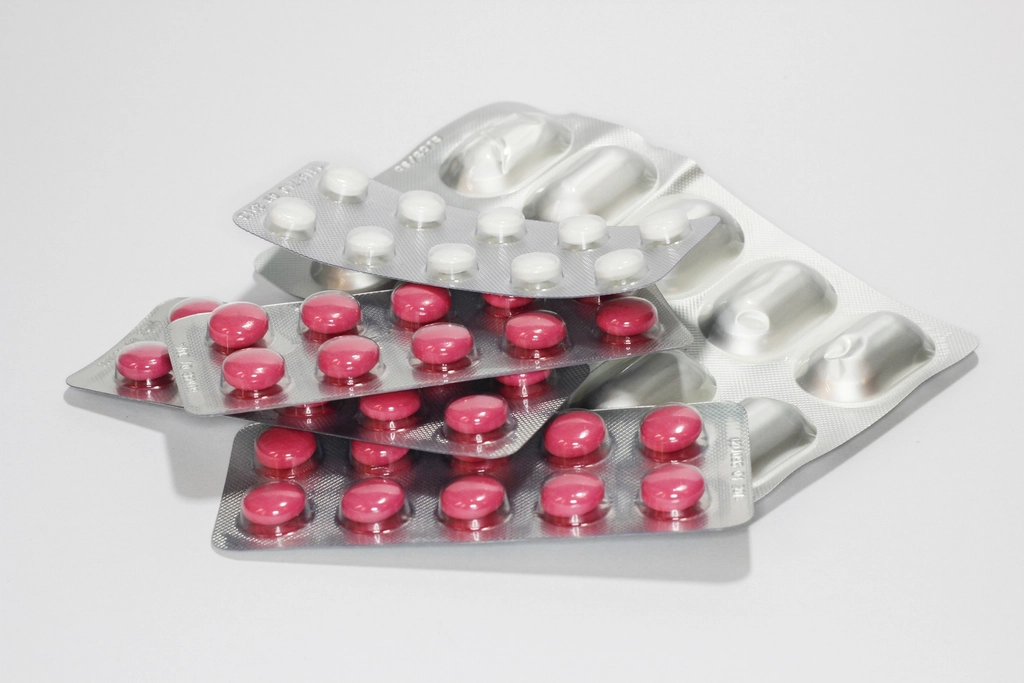
First things first, let’s address the elephant in the room: the myth that birth control is a direct cause of weight gain.
While it’s true that some individuals may experience changes in weight while using hormonal contraception, the evidence suggests that this phenomenon is more nuanced than a simple cause-and-effect relationship. It is not a confirmed thing but yes, it does affect different individuals but not all.
One key factor to consider is the type of birth control being used. Hormonal contraceptives, such as the pill, patch, ring, or hormonal IUD, contain synthetic hormones that mimic the effects of estrogen and progesterone in the body. These hormones can influence various physiological processes, including metabolism, appetite, and fluid retention, which may in turn affect weight.
However, it’s essential to emphasise that not everyone who uses hormonal contraception will experience weight gain, and for many individuals, any changes in weight may be minimal or temporary.
Factors Influencing Weight Changes on Birth Control
Hormone Type and Dosage:
For some individuals, the hormonal changes induced by birth control may lead to weight gain – though the extent and prevalence of this effect can vary widely from person to person.
One mechanism by which hormonal contraception may contribute to weight gain is through increased appetite or changes in food cravings. Estrogen, in particular, has been shown to influence appetite and energy balance, potentially leading to increased calorie intake and subsequent weight gain in some individuals.
Additionally, hormonal birth control methods that contain progestins with androgenic properties (i.e., those that mimic the effects of testosterone) may also impact weight regulation. These progestins can potentially promote the accumulation of visceral fat – the type of fat stored around the organs in the abdomen – which is associated with an increased risk of metabolic complications.
Individual Hormonal Response
Each person’s body reacts differently to hormonal changes, so what works well for one individual may not have the same effect on another. Factors such as genetics, hormone sensitivity, and baseline hormone levels can all influence how the body responds to hormonal contraception.
Metabolic Factors
Hormonal contraception can influence metabolic processes in the body, including metabolism of carbohydrates, fats, and proteins. Changes in metabolism can affect energy balance and may contribute to weight changes over time.
Appetite and Food Cravings
Hormones play a role in regulating appetite and food cravings, and hormonal contraception can influence these processes. Some individuals may experience increased appetite or changes in food cravings while using birth control, which can affect calorie intake and potentially lead to weight changes.
Fluid Retention
Estrogen, in particular, can cause the body to retain water, leading to temporary fluctuations in weight due to increased fluid retention. This can be more noticeable during certain phases of the menstrual cycle or when using birth control methods with higher estrogen levels.
Lifestyle Factors
Diet, exercise, stress levels, sleep quality, and other lifestyle factors can all impact weight changes while using birth control. A healthy lifestyle that includes regular physical activity, a balanced diet, and adequate sleep can help mitigate potential weight changes and promote overall well-being.
Pre-existing Conditions
Certain medical conditions, such as polycystic ovary syndrome (PCOS) or thyroid disorders, can affect metabolism and weight regulation. Individuals with these conditions may have different responses to hormonal contraception compared to those without underlying health issues.
Psychological Factors
Emotional eating, stress-related changes in appetite, and body image concerns can also influence weight changes while using birth control. Addressing these psychological factors and developing healthy coping mechanisms can be important for managing weight and overall well-being.
It’s essential to remember that weight changes while using birth control are not solely determined by the contraceptive method itself but are the result of a complex interplay of factors.
Alternative Contraceptive Options
Non-Hormonal Methods:
Copper Intrauterine Device (IUD): The copper IUD is a long-acting reversible contraceptive device that does not contain hormones. It works by releasing copper ions, which create an inhospitable environment for sperm, preventing fertilisation. The copper IUD can provide up to 10 years of protection against pregnancy and is highly effective.
Barrier Methods: Condoms, diaphragms, and cervical caps are barrier methods of contraception that physically block sperm from reaching the egg. These methods do not contain hormones and are readily available without a prescription. While they may be less effective than hormonal methods when used alone, they can be combined with other contraceptive methods for added protection.
Natural Family Planning: Also known as fertility awareness-based methods, natural family planning involves tracking fertility signs such as basal body temperature, cervical mucus, and menstrual cycles to identify fertile and non-fertile days. Couples can use this information to avoid unprotected sex during fertile periods or to plan intercourse when pregnancy is desired.
Long-Acting Reversible Contraception (LARC):
Hormonal IUD: In addition to the copper IUD, there are hormonal IUDs available that release progestin into the uterus. Hormonal IUDs work by thickening cervical mucus, inhibiting sperm movement, and thinning the uterine lining to prevent implantation. They offer highly effective contraception for 3 to 7 years, depending on the specific type.
Implant: The contraceptive implant is a small, flexible rod that is inserted under the skin of the upper arm. It releases a steady dose of progestin hormones, which prevent ovulation and thicken cervical mucus to block sperm. The implant provides up to 3 years of continuous contraception and is over 99% effective.
Permanent Methods:
Tubal Ligation: Tubal ligation, also known as “getting your tubes tied,” is a surgical procedure that involves closing or blocking the fallopian tubes to prevent eggs from reaching the uterus. This procedure is considered permanent and is typically chosen by individuals who do not wish to have biological children in the future.
Vasectomy: Vasectomy is a surgical procedure for male sterilisation that involves cutting or blocking the vas deferens, the tubes that carry sperm from the testicles. It is a highly effective method of contraception and is considered permanent, though it may be reversible in some cases.
Navigating Myths and Misconceptions
Myth: Birth control pills cause weight gain.
Reality: While some individuals may experience slight weight changes when starting hormonal contraception, scientific evidence does not support a direct link between birth control pills and significant weight gain.
Any weight changes are typically minor and may be due to factors like fluid retention or changes in appetite. Lifestyle factors, such as diet and exercise, play a more significant role in weight management.
Myth: Contraception is only for preventing pregnancy.
Reality: While preventing pregnancy is one of the primary purposes of contraception, many contraceptive methods offer additional benefits beyond birth control.
For example, hormonal contraception can regulate menstrual cycles, reduce menstrual cramps, and improve acne. Some methods, such as the copper IUD, provide long-term protection against pregnancy without hormones.
Myth: Contraception is 100% effective.
Reality: No contraceptive method is 100% effective at preventing pregnancy, although some methods, such as sterilization and certain long-acting reversible contraceptives (LARCs), come close. The effectiveness of contraception depends on various factors, including method adherence, user error, and individual factors such as age and fertility.
Myth: Contraception causes infertility.
Reality: Using contraception does not cause infertility. Most contraceptive methods are reversible, meaning fertility typically returns after discontinuation. However, it may take some time for menstrual cycles to regulate and fertility to return to baseline, especially with long-acting methods like the contraceptive implant or hormonal IUD.
Myth: You need a prescription for all contraceptive methods.
Reality: While some contraceptive methods, such as birth control pills and hormonal patches, require a prescription from a healthcare provider, others are available over-the-counter or without a prescription. For example, condoms, spermicides, and emergency contraception (such as Plan B) are available at pharmacies without a prescription.
Myth: You can’t get pregnant if you have sex during your period.
Reality: While the likelihood of getting pregnant during menstruation is lower than at other times in the menstrual cycle, it is still possible.
Sperm can survive in the female reproductive tract for several days, so if ovulation occurs shortly after menstruation ends, conception can occur. Additionally, irregular menstrual cycles can make predicting ovulation more challenging.
Managing Weight While on Birth Control
Maintain a Balanced Diet
Focus on consuming a variety of nutrient-dense foods, including fruits, vegetables, whole grains, lean proteins, and healthy fats. Avoid excessive consumption of processed foods, sugary snacks, and high-calorie beverages. Instead, opt for wholesome, filling options that provide sustained energy and promote overall well-being.
Stay Active
Incorporate regular physical activity into your routine to support weight management and overall health. Aim for at least 150 minutes of moderate-intensity exercise or 75 minutes of vigorous activity per week, as recommended by health guidelines. Find activities you enjoy, whether it’s walking, cycling, dancing, or participating in group fitness classes.
Monitor Portion Sizes
Pay attention to portion sizes and avoid mindless eating. Use smaller plates and bowls to help control portion sizes, and listen to your body’s hunger and fullness cues. Avoid eating out of boredom or emotional triggers and practice mindful eating by savouring each bite and eating slowly.
Stay Hydrated
Drink plenty of water throughout the day to stay hydrated and support metabolism. Opt for water as your primary beverage choice, and limit consumption of sugary drinks and alcohol, which can contribute to excess calorie intake. Herbal teas and infused water can add variety and flavour without extra calories.
Get Sufficient Sleep
Aim for 7-9 hours of quality sleep each night to support overall health and weight management. Poor sleep can disrupt hormone levels related to hunger and appetite, leading to increased cravings and overeating. Establish a consistent sleep schedule and create a relaxing bedtime routine to promote restful sleep.
V Slim for slimming easily
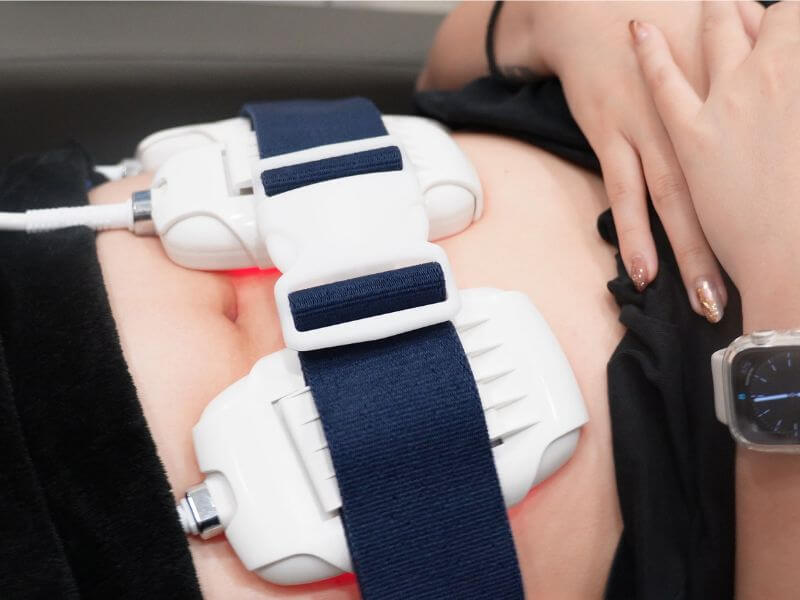
V Slim is a laser body sculpting treatment that offers a convenient and effective way to support weight management goals. By utilising a 3-in-1 technique to target fat burning, fat melting, and muscle toning, V Slim can complement a healthy lifestyle and help individuals achieve their desired weight while on birth control.
Conclusion
In conclusion, navigating the complexities of weight management while on birth control requires a nuanced approach that considers various factors, including hormonal influences, lifestyle choices, and individual preferences.
While some individuals may experience minor weight changes when starting or changing contraceptive methods, these changes are often temporary and can be managed with mindful lifestyle practices. By maintaining a balanced diet, staying active, monitoring portion sizes, staying hydrated, getting sufficient sleep, and exploring alternative contraceptive options, individuals can effectively manage their weight while on birth control.
Additionally, considering treatments like V Slim, which offer a convenient and holistic approach to weight management, can further support individuals in achieving their health and wellness goals.
Ultimately, understanding the interplay between birth control and weight and adopting a proactive approach to managing both can empower individuals to make informed choices and prioritise their overall well-being.
Book a V Slim session today and embark on your journey to a healthier, happier you.