
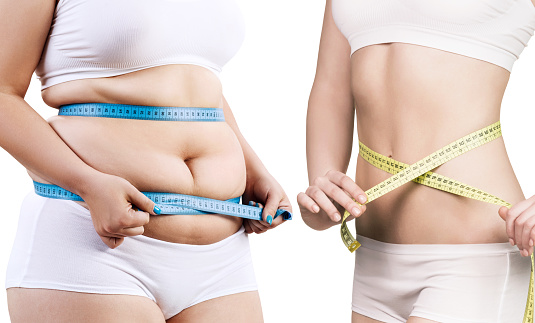
Weight loss is a journey that is influenced by various factors, including genetics, metabolism, lifestyle, and more.
Another important factor that plays a significant role in how individuals approach and experience weight loss is gender. While the basic principles of weight loss remain the same for everyone, there are gender-specific considerations that can impact the process.
In this week’s read, we will delve into the gender factor in weight loss, examining the biological and societal aspects that contribute to the differences and exploring effective strategies tailored to each gender.
Biological Differences
- Hormonal Variations: Hormones play a crucial role in weight management. Men and women have different hormonal profiles that can affect metabolism, fat distribution, and appetite regulation. For instance, women’s hormone fluctuations during the menstrual cycle can lead to water retention and increased cravings, potentially influencing short-term weight fluctuations.
- Muscle Mass: Men generally have a higher proportion of lean muscle mass compared to women. Muscle burns more calories at rest than fat does, which means that men tend to have a higher basal metabolic rate (BMR). This can give men a slight advantage in terms of calorie burning, but it doesn’t mean weight loss is easier for them overall.
- Fat Distribution: Women often have a higher percentage of body fat, particularly in the hips and thighs due to evolutionary and reproductive factors. Men, on the other hand, tend to store fat more in the abdominal region. This can impact how weight loss is visually perceived and where it is lost from first.
Societal and Behavioral Factors
- Social Pressures and Expectations: Society’s perceptions of body image can impact both men and women. Women often face pressure to conform to certain beauty standards, which can sometimes lead to unhealthy dieting practices. Men, on the other hand, may feel societal expectations to be muscular and strong, leading them to engage in extreme exercise routines or supplement use.
- Emotional Eating: Both genders can turn to food for emotional comfort, but the triggers and emotions involved may differ. Women might be more prone to emotional eating due to stress, relationships, or hormonal changes. Men, on the other hand, might suppress emotions that lead to overeating or indulging in unhealthy foods.
Strategies Tailored to Gender
- Women-Centric Strategies:
- Cycle Awareness: Women can benefit from understanding their menstrual cycles and adjusting their exercise and diet routines accordingly.
- Stress Management: Techniques such as yoga and meditation can help women cope with stress-induced eating patterns.
- Nutrient-Dense Foods: Focusing on foods rich in iron and calcium can help address gender-specific nutritional needs.
- Men-Centric Strategies:
- Strength Training: Capitalize on men’s higher muscle mass by incorporating strength training exercises to boost metabolism.
- Mindful Eating: Encourage men to practice mindful eating to avoid overeating, especially when eating in response to emotions.
Conclusion
While weight loss is a universal journey, acknowledging the gender-specific factors that can impact the process is essential.
Biological differences and societal expectations can influence how men and women approach weight loss and cope with its challenges.
By understanding these differences and tailoring strategies accordingly, individuals can achieve their weight loss goals in a manner that is healthy, sustainable, and respectful of their unique needs.