
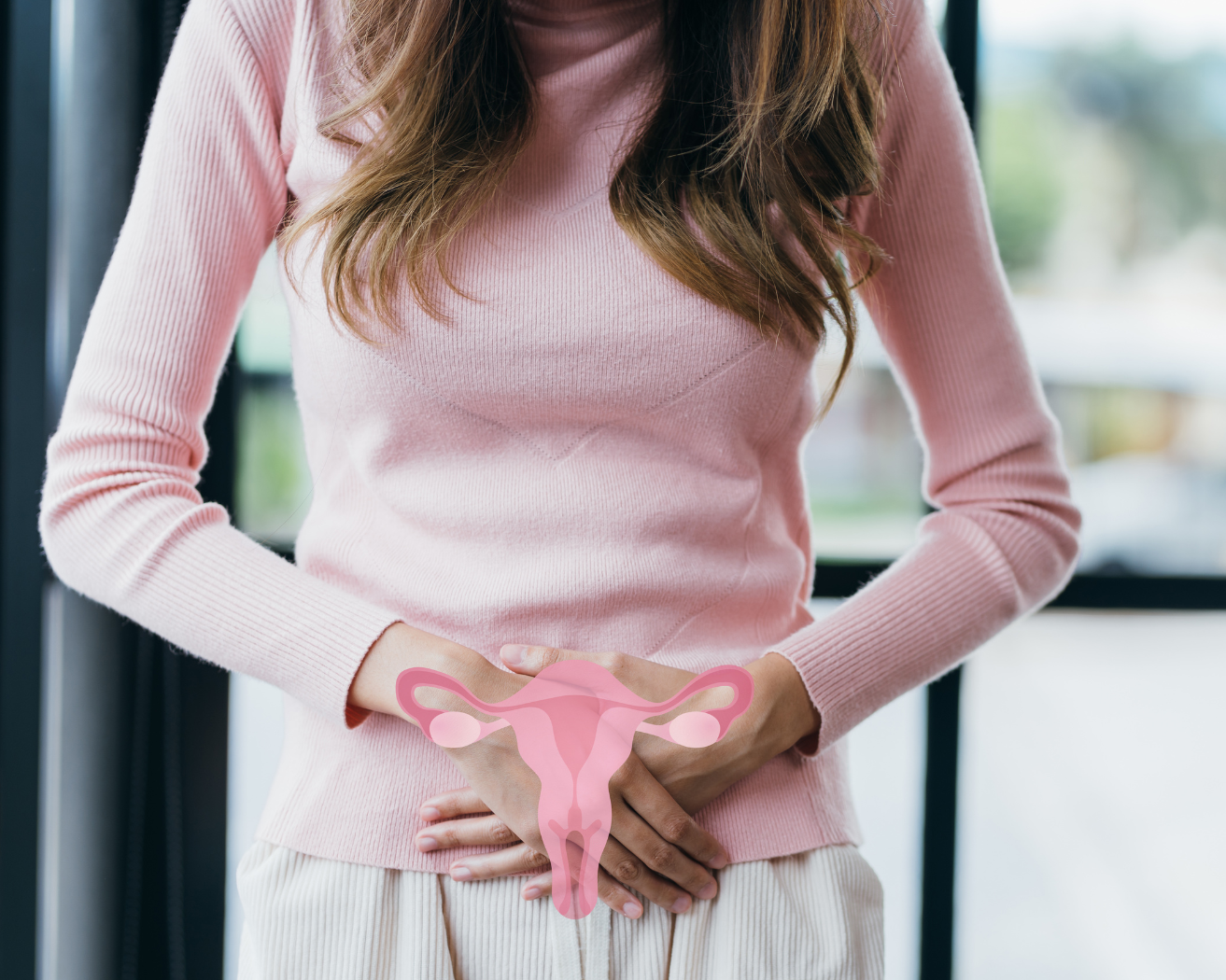
Alright, let’s dive into the world of PCOS and weight gain. Picture this: you’re cruising through life, minding your own business, when suddenly, the scale starts creeping up for no apparent reason. Could it be PCOS throwing a curveball your way? PCOS, short for polycystic ovary syndrome, is like that mysterious guest who shows up uninvited and overstays their welcome.
But does it really have the power to pack on the pounds? Let’s unravel the truth behind this common misconception and explore the relationship between PCOS and weight gain.
Buckle up, because we’re about to embark on a journey through the complexities of hormonal imbalances, metabolic disturbances, and the elusive quest for balance in the battle against the bulge.
What is PCOS
Let’s demystify PCOS. It’s like this enigmatic puzzle piece in the grand scheme of hormonal health. PCOS, or polycystic ovary syndrome, isn’t your run-of-the-mill condition—it’s more like a multifaceted gem, with each facet representing a different symptom or characteristic. Imagine a complex web of hormonal imbalances, metabolic disruptions, and reproductive irregularities all intertwined in a delicate dance of dysfunction.
At its core, PCOS is a hormonal disorder that affects individuals with ovaries, throwing a wrench into the delicate balance of hormones like estrogen, progesterone, and testosterone. But here’s the kicker—PCOS isn’t just about ovaries and hormones. It’s a syndrome, a cluster of symptoms that vary from person to person, making it as unique and complex as the individuals it affects.
So, buckle up as we unravel the intricacies of PCOS and embark on a journey through its many facets.
How do you know if you have PCOS
Irregular periods? Check. Unexplained weight gain? Check. Acne, hair growth in unexpected places, and difficulty conceiving? Check, check, and check. If this sounds familiar, you might be dealing with PCOS. But how do you know for sure? Well, PCOS is a bit like a chameleon—it can manifest differently in each person, making it tricky to diagnose.
However, there are a few telltale signs that may point to PCOS. Think irregular menstrual cycles, excess androgen levels leading to symptoms like acne and hair growth, and polycystic ovaries detected via ultrasound. It’s like putting together pieces of a puzzle, connecting the dots to uncover the bigger picture of PCOS lurking beneath the surface.
So, if you’re experiencing a constellation of symptoms that just don’t seem to fit, it might be time to talk to your healthcare provider about the possibility of PCOS.
Factors causing PCOS
Genetics
PCOS often runs in families, so if you’ve got relatives with PCOS, you might be more likely to develop it too. Blame it on those pesky genes!
Hormonal Imbalance
Picture this—your body’s hormones are like a finely tuned orchestra, with each one playing a specific role. But in PCOS, that harmony gets disrupted, especially with insulin and androgens. Insulin resistance and elevated androgen levels can throw things out of whack and contribute to PCOS symptoms.
Insulin Resistance
Ah, insulin—the key player in regulating blood sugar levels. But when your body becomes resistant to insulin’s effects, it can lead to elevated insulin levels, which in turn can mess with your hormone balance and contribute to PCOS.
Androgen Excess
Androgens are often dubbed the “male hormones,” but they’re present in both men and women. In PCOS, excess androgens can lead to symptoms like acne, hair growth, and irregular periods, adding to the PCOS puzzle.
Lifestyle Factors
Your diet, exercise habits, and stress levels can all influence PCOS. A diet high in refined carbs and sugars can worsen insulin resistance, while regular exercise and stress management techniques can help keep hormones in check. It’s all about finding that balance!
How does PCOS makes you gain weight fast
Hormonal havoc plays a starring role in the PCOS weight gain saga. With elevated levels of insulin and androgens, your body’s metabolic symphony goes out of tune, leading to easier weight gain, particularly around the abdomen.
Add insulin resistance to the mix, and you’ve got a recipe for fat storage, especially in the midsection. But wait, there’s more—PCOS can also ramp up your appetite, thanks to disrupted hunger signals and cravings for sugary, carb-heavy foods. And let’s not forget about your metabolism—it’s like a sluggish furnace in PCOS land, making it harder to burn calories efficiently.
Toss in some water retention for good measure, and you’ve got the perfect storm for frustrating weight fluctuations.
Understanding these factors is key to managing PCOS-related weight gain and maintaining a healthy lifestyle.
How can I get rid of PCOS weight gain
- Balanced Diet: Focus on a balanced diet rich in whole grains, lean proteins, fruits, vegetables, and healthy fats. Opt for foods with a low glycemic index to help stabilize blood sugar levels and manage insulin resistance. Incorporate plenty of fiber to support digestion and promote satiety.
- Portion Control: Keep an eye on portion sizes to avoid overeating. Practice mindful eating by paying attention to hunger and fullness cues, and aim to eat slowly to give your body time to register feelings of satiety.
- Limit Processed Foods: Minimize your intake of processed and sugary foods, which can spike blood sugar levels and contribute to insulin resistance. Instead, opt for whole, nutrient-dense foods that nourish your body and support overall health.
- Regular Exercise: Incorporate regular physical activity into your routine to help manage weight and improve insulin sensitivity. Aim for a combination of aerobic exercise, strength training, and flexibility exercises to support overall fitness and wellbeing.
- Hydration: Stay hydrated by drinking plenty of water throughout the day. Proper hydration can help support metabolism, promote feelings of fullness, and aid in digestion.
- Stress Management: Prioritize stress management techniques such as meditation, yoga, deep breathing exercises, or mindfulness practices. Chronic stress can exacerbate hormonal imbalances and contribute to weight gain, so finding healthy ways to manage stress is essential.
- Sleep: Aim for adequate sleep each night to support hormone regulation, metabolism, and overall health. Aim for 7-9 hours of quality sleep per night, and establish a relaxing bedtime routine to promote restful sleep.
- Consult a Healthcare Professional: If you’re struggling to manage PCOS-related weight gain on your own, consider seeking support from a healthcare professional. A registered dietitian or nutritionist can help create a personalized nutrition plan tailored to your individual needs and goals, while a healthcare provider can offer guidance on medical treatments or interventions as needed.
- V Slim Treatment: Consider incorporating V Slim treatment, an innovative body contouring procedure offered at V Aesthetics Body Slim. Using advanced technology, V Slim targets stubborn fat deposits and tightens the skin, helping to reduce the appearance of PCOS-related weight gain.
What is V Slim?
V Slim is an innovative body contouring treatment offered at V Aesthetics Laser Centre. This advanced procedure combines ultrasound and radio frequency energy to target stubborn fat deposits and tighten the skin. By precisely delivering energy to the desired areas, V Slim helps break down fat cells, stimulate collagen production, and improve skin elasticity, resulting in a smoother, firmer appearance.
V Slim is non-invasive, virtually painless, and requires minimal downtime, making it a popular choice for individuals looking to sculpt their bodies and achieve a more toned silhouette. Whether you’re struggling with stubborn fat pockets or seeking to enhance your overall body contour, V Slim offers natural-looking results with long-lasting benefits.
Conclusion
In conclusion, navigating the complexities of PCOS and its relationship with weight gain can feel like unraveling a multifaceted puzzle. From hormonal imbalances and metabolic disturbances to lifestyle factors and genetic predispositions, the factors contributing to PCOS-related weight gain are as diverse as the individuals affected by this condition.
However, armed with knowledge and understanding, there are proactive steps you can take to manage PCOS-related weight gain and support your overall health and well-being. By adopting a balanced diet, incorporating regular exercise, prioritising stress management, and seeking professional guidance when needed, you can take control of your health journey.
Additionally, innovative treatments like V Slim offer promising solutions for targeting stubborn fat deposits and achieving a more toned physique. With dedication, perseverance, and support, managing PCOS-related weight gain is within reach, empowering you to thrive despite the challenges you may face.