
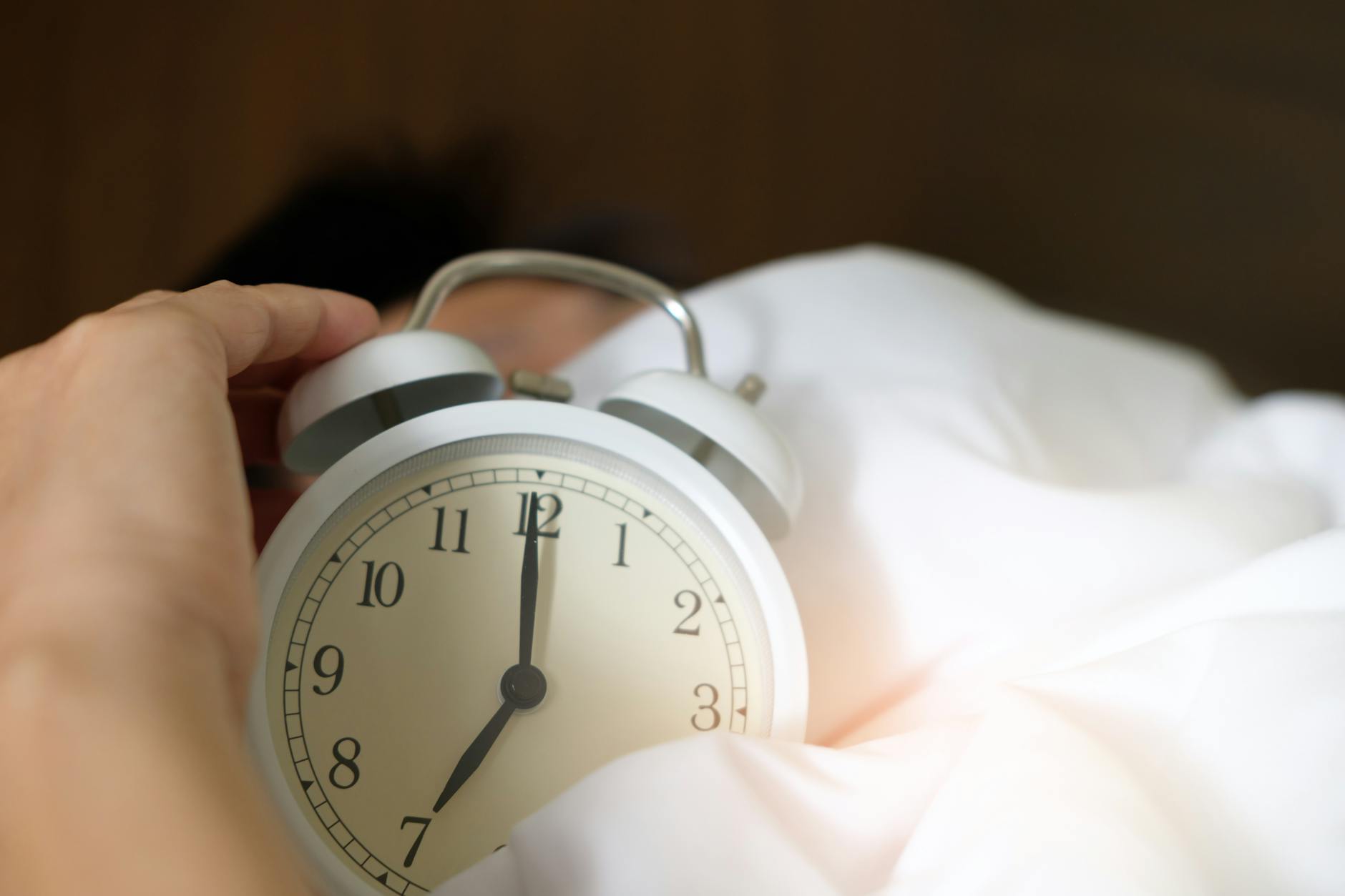
Why stress and sleepless nights are sabotaging your fat loss.
If you’ve been eating better, exercising more, yet still notice stubborn belly fat or a softer body composition, your stress and sleep habits may be the missing link.
The hormone cortisol, produced by your adrenal glands, affects how your body stores energy—and when it’s out of balance, it can quietly cause stress belly and hormonal weight gain, even without overeating.
Cortisol: Your Body’s Stress Manager
Cortisol helps you stay alert and maintain steady blood sugar.
It normally follows a rhythm: high in the morning, gradually dropping through the day, lowest at night.
But chronic work stress, late nights, or emotional burnout can keep cortisol high around the clock.
Prolonged elevation encourages your body to store fat around the midsection, slows your metabolism, and increases cravings for quick-energy foods like bread or desserts.
Reference: Harvard Health – Understanding Cortisol and Stress
How High Cortisol Promotes Belly Fat
- Increases appetite: Constant stress triggers hunger hormones, especially ghrelin, making you snack more.
- Promotes visceral fat: Excess cortisol encourages deep abdominal fat, linked to insulin resistance and inflammation.
- Reduces muscle mass: Cortisol breaks down muscle tissue, lowering metabolic rate.
Over time, these effects make it harder to maintain weight—even if you’re eating the same way you did in your 20s.
Sleep: The Other Half of the Equation
Sleep controls when cortisol resets.
When you cut sleep short or stay up scrolling till midnight, cortisol remains elevated.
Poor rest also shifts two appetite hormones:
- Ghrelin (hunger) rises
- Leptin (fullness) falls
That’s why you wake up craving sugar or caffeine after a late night.
A University of Chicago trial found that adults sleeping 5.5 hours lost less fat and more muscle than those sleeping 8.5 hours—despite identical diets (Spiegel et al., Annals of Internal Medicine, 2010)..
The Stress–Sleep–Fat Loop
- Stress raises cortisol → more hunger and belly fat
- Extra weight and late nights → poorer sleep
- Poor sleep keeps cortisol high → even more fat storage
This self-feeding cycle explains why many Singaporean professionals—juggling long office hours, family duties, and constant phone notifications—struggle to slim down despite disciplined diets.
How to Break the Cycle Naturally
1. Protect your sleep schedule.
Aim for seven to eight hours nightly. Keep the bedroom dark and cool; stop checking messages an hour before bed.
2. Eat balanced, regular meals.
Skipping meals can spike cortisol. Include protein, complex carbs, and fibre in each meal to keep blood sugar steady.
3. Move smart, not excessively.
Gentle strength training, stretching, or evening walks reduce stress hormones better than constant high-intensity exercise.
4. Manage stress daily.
Practice breathing exercises, step away from your desk between meetings, or spend five quiet minutes outdoors.
5. Watch caffeine and alcohol.
Both raise cortisol and disrupt sleep cycles when consumed late in the day.
When You Balance Cortisol, Fat Loss Follows
Lowering cortisol doesn’t just improve sleep—it also restores hormonal balance, boosts mood, and helps your body use fat for energy again.
The goal isn’t to eliminate stress (that’s impossible in modern life) but to teach your body how to recover from it.
When you sleep well, eat mindfully, and manage stress consistently, you reset your body’s rhythm—making fat loss feel natural rather than forced.
Key Takeaway
Cortisol, sleep, and weight gain are inseparable.
Ignoring them means fighting against your own hormones; addressing them means working with your body again. If your workouts and calorie counts aren’t moving the scale, focus first on rest and recovery—because the path to a leaner, healthier body often starts with a good night’s sleep.