

We often hear that weight gain is primarily about what we eat, but there’s more to the story. Sure, diet plays a significant role, but other factors can also contribute to those extra pounds creeping up on us.
Let’s explore four key components—beyond diet—that can cause weight gain: movement, gut health, stress levels, and environmental factors. Understanding these elements can help us tackle weight gain more effectively.
Diet: The Role of Nutrition
Diet undoubtedly impacts our weight. The types of food we consume, portion sizes, and meal timing all play a part. Consuming high-calorie foods, sugary drinks, and processed snacks can lead to weight gain, while a balanced diet rich in fruits, vegetables, lean proteins, and whole grains supports healthy weight management.
But even with a perfect diet, other factors can influence our weight. So, let’s delve into those other components.
Movement
The Importance of Movement
Movement is crucial for maintaining a healthy weight. Any form of physical activity, from low-impact exercises like walking and yoga to high-impact workouts like running and HIIT, can help burn calories and boost metabolism.
Low-Impact Activities
Low-impact activities are gentle on the joints and include walking, swimming, and stretching. These activities are great for those new to exercise or with mobility issues. Even simple movements like standing up regularly or taking short walks can make a difference.
Low-impact exercises also include tai chi, Pilates, and cycling, which can help improve flexibility, balance, and cardiovascular health without putting too much strain on the body. It is also more beneficial for women with PCOS to not spike their cortisol during periods like Luteal and Menstrual phase.
High-Impact Activities
High-impact activities, such as running, jumping, or intense cardio workouts, can significantly burn calories and improve cardiovascular health.
These exercises are effective for those looking to shed pounds quickly and build endurance. Incorporating strength training, such as weightlifting, can also help build muscle mass, which increases metabolism and aids in long-term weight management.
Gut Health: The Hidden Factor
Gut health refers to the balance of microorganisms in our digestive system. A healthy gut helps with digestion, nutrient absorption, and immune function. An imbalanced gut can lead to various health issues, including weight gain.
How Gut Affects Weight
The gut microbiome—the trillions of bacteria, viruses, and fungi living in our intestines—plays a crucial role in our metabolism and how we store fat. An unhealthy gut can lead to inflammation, insulin resistance, and ultimately weight gain.
Gut Microbes and Weight Gain
Certain gut bacteria can influence weight gain by extracting more calories from food or altering the way our bodies store fat. Studies have shown that people with obesity tend to have different gut bacteria compared to those with a healthy weight. These microbes can affect appetite, fat storage, and energy expenditure, creating a complex relationship between gut health and weight.
Improving Gut Health
To improve gut health and reduce weight gain, consider the following tips:
- Probiotics and Prebiotics: Consuming foods rich in probiotics (like yogurt and kefir) and prebiotics (like garlic and onions) can help balance gut bacteria. Probiotics introduce beneficial bacteria to the gut, while prebiotics serve as food for these bacteria, promoting their growth and activity.
- Fibre-Rich Diet: A diet high in fibre supports healthy digestion and feeds beneficial gut bacteria. Foods such as fruits, vegetables, legumes, and whole grains are excellent sources of dietary fibre.
- Hydration: Drinking plenty of water aids digestion and helps maintain a healthy gut. Proper hydration is essential for the optimal function of the digestive system and helps prevent constipation.
Stress Levels
How Stress Affects Weight Gain
Stress can trigger weight gain in several ways. When stressed, our bodies release cortisol, a hormone that increases appetite and cravings for high-calorie foods. Chronic stress can lead to overeating and weight gain, particularly around the abdomen.
Dealing with Stress-Related Weight Gain
Managing stress effectively is crucial for maintaining a healthy weight. Here are some strategies:
- Mindfulness and Meditation: Practicing mindfulness and meditation can reduce stress and help control emotional eating. These techniques promote relaxation and self-awareness, which can improve emotional regulation.
- Regular Exercise: Physical activity reduces stress and boosts mood. Exercise stimulates the production of endorphins, which are natural mood lifters.
- Adequate Sleep: Ensuring you get enough sleep can help regulate stress hormones. Poor sleep can increase cortisol levels and appetite, leading to weight gain.
V Slim Treatment
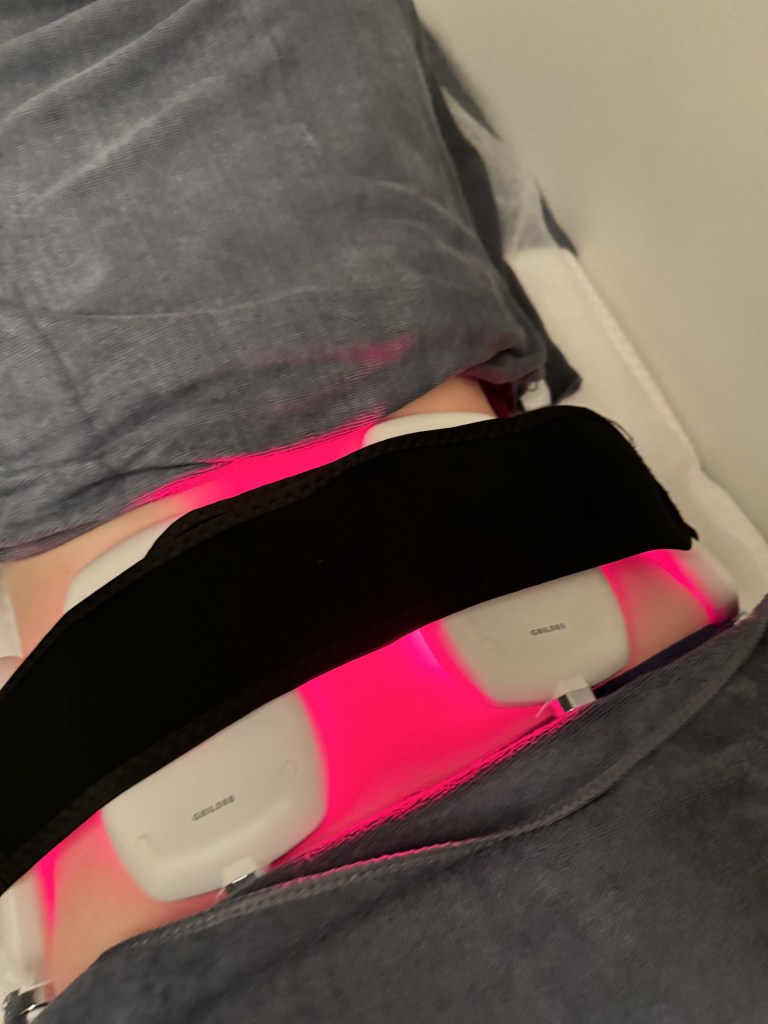
For those looking for an additional boost, V Slim Treatment can be an effective option. This non-invasive treatment targets fat cells, helping to contour and slim the body. It’s available at V Aesthetics and can complement your stress management efforts. The treatment uses advanced technology to break down fat cells, which are then naturally eliminated by the body.
Environment: The Impact Around Us
How Environment Affects Our Weight
Our surroundings significantly impact our weight. Factors such as access to healthy food, walkability, and social influences play a role in our lifestyle choices. Living in environments with easy access to fast food and limited opportunities for physical activity can contribute to weight gain.
Supportive Environments
Creating a supportive environment can help with weight management:
- Healthy Food Access: Ensure you have easy access to nutritious food options. This might involve shopping at farmers’ markets, joining a community-supported agriculture (CSA) program, or choosing grocery stores with a wide selection of fresh produce.
- Active Spaces: Utilize parks, gyms, and walking paths to encourage physical activity. Engaging in community activities, such as group fitness classes or recreational sports, can also promote a more active lifestyle.
- Positive Social Circles: Surround yourself with people who support healthy habits. Social support can motivate you to stick with your fitness and nutrition goals.
Challenging Environments
Conversely, environments that promote sedentary behaviour and easy access to unhealthy foods can contribute to weight gain. Being aware of these influences can help you make better choices. For example, if your workplace has a lot of high-calorie snacks available, consider bringing your own healthy snacks to avoid temptation.
Hormone Levels: The Internal Regulators
How Hormones Affect Weight
Hormones regulate many bodily functions, including metabolism, appetite, and fat storage. Hormonal imbalances can lead to weight gain, even if your diet and exercise routine are on point.
Key Hormones Involved
- Insulin: Regulates blood sugar levels. Insulin resistance can lead to weight gain. When cells become resistant to insulin, the body produces more insulin, which can promote fat storage.
- Cortisol: Known as the stress hormone, it increases appetite and fat storage. Chronic stress can lead to prolonged high levels of cortisol, resulting in weight gain.
- Thyroid Hormones: Affect metabolism. Hypothyroidism can slow metabolism and cause weight gain. The thyroid gland produces hormones that regulate the body’s metabolic rate.
- Leptin and Ghrelin: Control hunger and satiety. Imbalances can lead to overeating. Leptin signals fullness to the brain, while ghrelin stimulates appetite.
Dealing with Hormonal Weight Gain
Managing hormonal weight gain involves a combination of lifestyle changes and medical interventions:
- Balanced Diet: Eating a balanced diet can help regulate hormone levels. Focus on whole foods and avoid processed foods high in sugar and unhealthy fats.
- Regular Exercise: Physical activity helps maintain hormone balance. Exercise can improve insulin sensitivity and reduce cortisol levels.
- Medical Advice: Consult with a healthcare provider for hormonal imbalances. Treatments may include medication or hormone therapy.
- V Slim Treatment

V Slim Treatment can also assist in managing weight related to hormonal imbalances. By targeting stubborn fat areas, it can help achieve a more contoured physique. Available at V Aesthetics, it’s a practical option for those struggling with hormonal weight gain.
The treatment can complement lifestyle changes and provide additional support in achieving weight loss goals.
Conclusion
While diet is a significant factor in weight management, it’s not the only one. Movement, gut health, stress levels, and environmental factors also play crucial roles.
Understanding these components can help you develop a more holistic approach to maintaining a healthy weight. By paying attention to these aspects, you can better manage your weight and overall well-being.
Remember, it’s not just about what you eat but also how you live, think, and interact with your environment. Embracing a comprehensive approach to health can lead to more sustainable and long-lasting results.